
No Hot Water? Water Heater Repair for Gold Canyon Homes
A cold shower, a puddle at the base of the tank or a rumble from the heater each have a different cause and a different fix. Call the 24/7 line and describe what you see; a plumber serving your area diagnoses the heater and repairs it when repair makes sense.
- Licensed and insured plumbers
- Same-day service when available
- 24/7 emergency dispatch
Why the water is cold, noisy or leaking
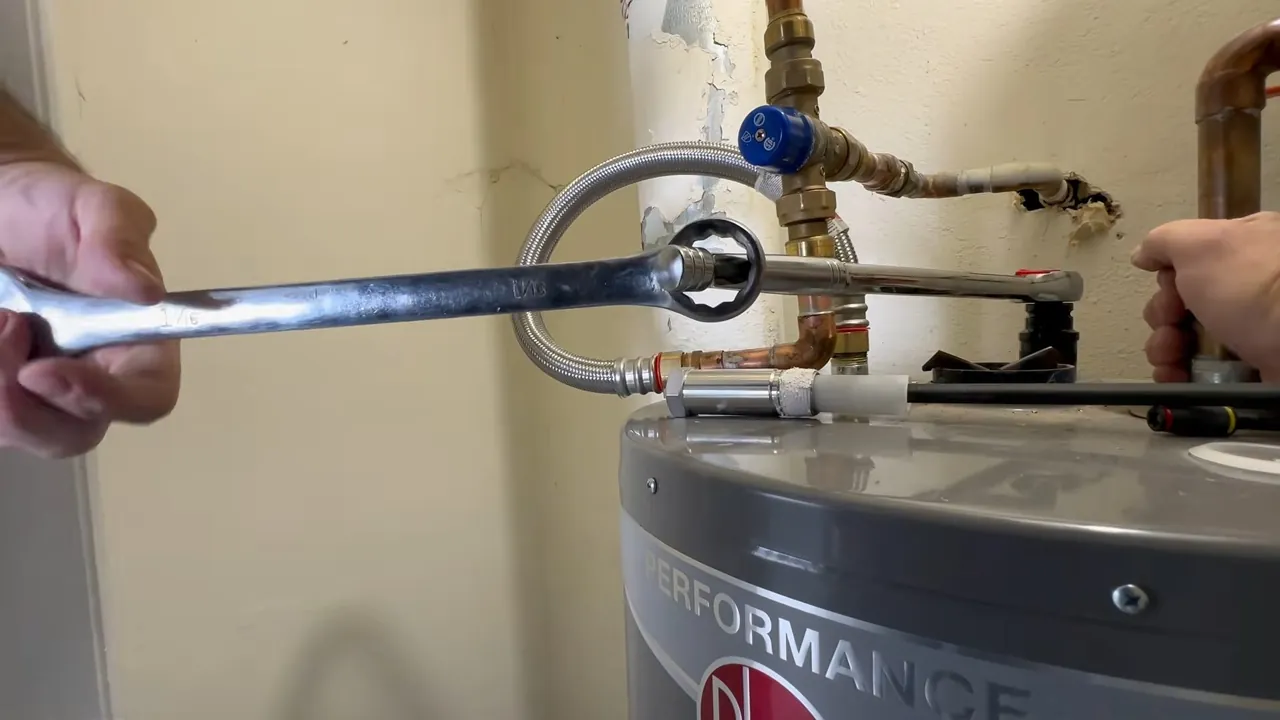
Water heater and fixture repair is often one visit, since everyday repairs start with the same question. Water heaters fail in a small number of ways, and each one leaves a clue. No hot water at all points to power, a thermostat or an element on an electric heater and to the pilot, igniter or gas supply on a gas heater. Lukewarm water points to a failed element or a thermostat set too low. Rumbling and popping point to sediment at the bottom of the tank. Water on the floor points to a leak, and where the water comes from decides what happens next.
| What you notice | Likely cause | What to try before calling |
|---|---|---|
| No hot water, electric heater | Tripped breaker, failed element or thermostat | Check the breaker and the reset button |
| No hot water, gas heater | Pilot out, igniter or gas control problem | Check the pilot; do not relight if you smell gas |
| Lukewarm water | Lower element failed, or thermostat set low | Check the temperature setting |
| Popping or rumbling | Sediment on the tank bottom | Plan a flush |
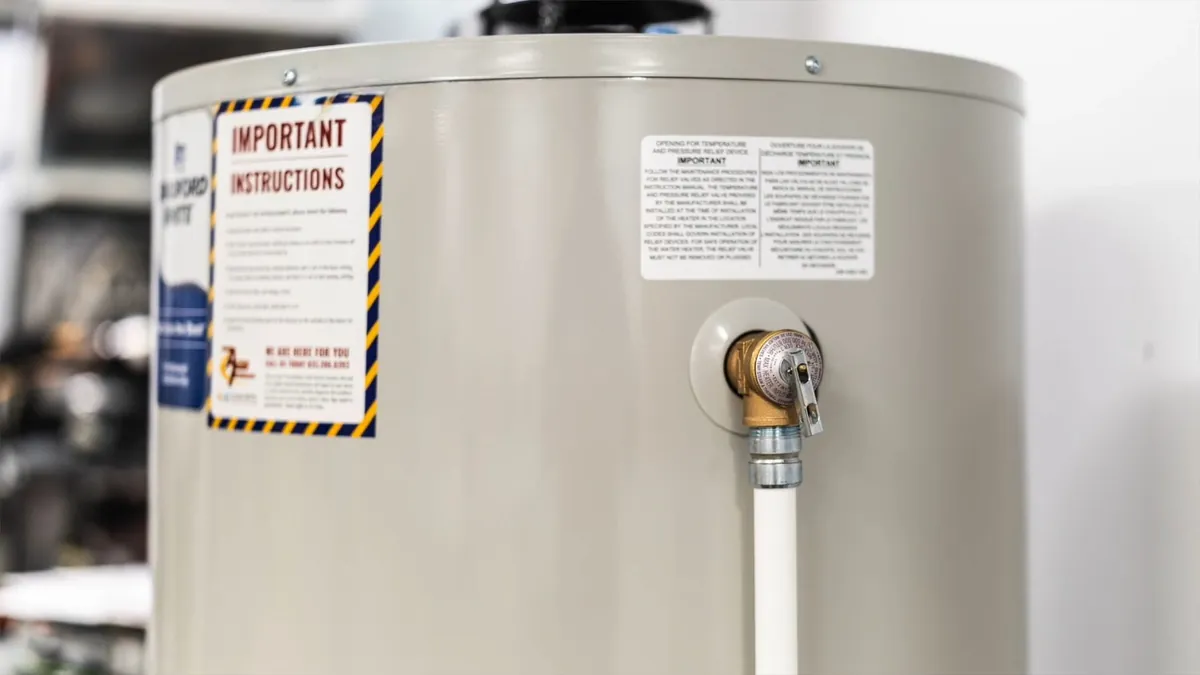
| Water at the base | Fitting, valve or tank leak | Close the cold inlet valve and call |
Smell gas? Do not relight a pilot or flip a switch. Move outdoors and phone your gas utility or 911; the plumbing call comes after you are clear.
Gas versus electric: what changes in the repair
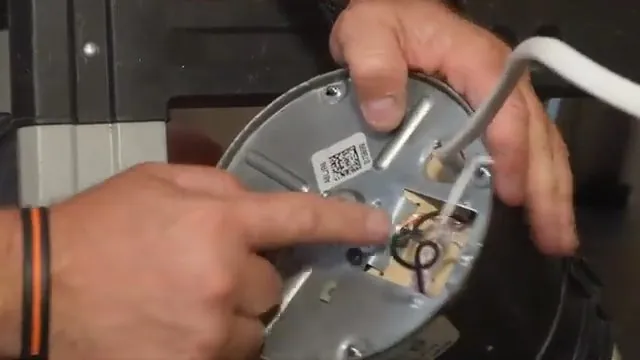
The type of heater sets the checklist. A gas unit has a burner, a pilot or igniter, a thermocouple or flame sensor, a gas control valve and a vent that carries exhaust out of the house. An electric unit has two heating elements, two thermostats and a high-limit reset. Both have an anode rod, a relief valve and a drain valve.
- Gas: flame sensor, igniter, burner cleaning, gas control valve, venting.
- Electric: elements, thermostats, wiring, breaker.
- Hybrid heat pump: compressor, fan, air filter, condensate drain, plus the backup elements.
- Both: relief valve, anode rod, drain valve, inlet and outlet connections.
Gas work involves combustion air and venting, so it belongs to a licensed professional. Electric element replacement is simpler but involves live power, and it should be done with the breaker off. The plumber confirms the problem, tells you what the part costs to replace and whether the heater is worth repairing.
Cold shower or water at the base of the tank?
Call the 24/7 line. A plumber serving your area diagnoses the heater, with same-day service when available.
- Licensed and insured plumbers
- Same-day service when available
- 24/7 emergency dispatch
Flush, sediment and maintenance
Water leaves sediment behind as it heats, and the sediment settles at the bottom of the tank. On a gas heater the burner heats the tank through that layer, and on an electric heater the lower element sits in it. The result is noise, slower heating and, over time, a shorter life for the tank.
A flush drains the tank and removes the sediment. The plumber also checks the anode rod, which protects the tank from rust, tests the relief valve and looks at the connections. Mineral content is a factor, and the water you use depends on your provider; your water provider's annual report describes it, so check yours before deciding how often to flush.
Know your water source
The In its 2024 report, Arizona Water Company lists wells as the source for its Apache Junction customers. Whether your Gold Canyon address is on that system depends on your provider, so check your bill before asking about hardness.
A leaking tank: repair, replacement and what comes next
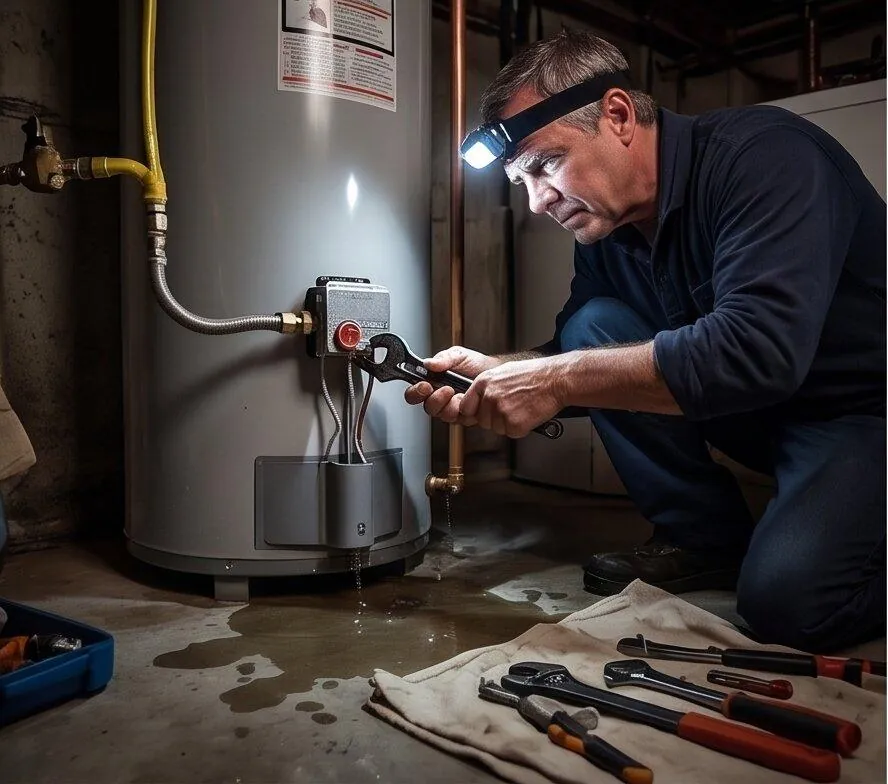
Appliance water heater leaks are common at the age when a tank starts to fail. Where the water comes from decides the answer. A drip at the temperature and pressure relief valve can come from high pressure or a failing valve. A leak at a pipe connection can be tightened or replaced. A leak from the seam of the tank, or water pooling under the jacket, means the tank has rusted through. Replacement is the only fix for that, and the water heater installation page covers it.
Shut the cold supply and cut power to the heater first. A tank that leaks onto a closet floor or into a wall causes damage fast, and a heater in an attic or on an upper floor is a bigger risk.
Thermostat, element, pilot, igniter and burner problems
These are the common parts that fail, and each can be replaced without replacing the heater. A thermostat that is stuck gives water that is too hot or too cold. A burned-out element gives lukewarm water. A weak thermocouple or flame sensor makes a gas heater shut down. A dirty burner gives a yellow flame and a heater that struggles to keep up.
Whether to repair depends on the age of the heater and the part. A new element in a heater with a sound tank is a reasonable repair. The same part in a heater that has already rusted through is money spent on a failing tank. Ask the plumber for a plain comparison.
Noise and no hot water: what each one means
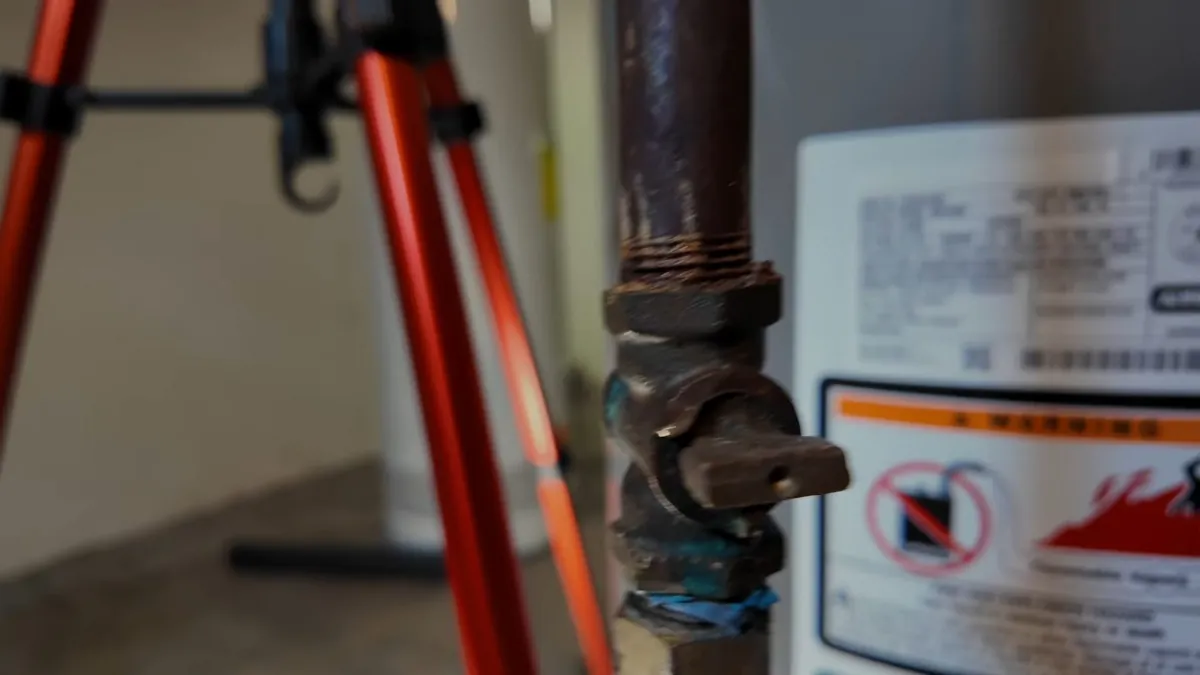
Popping and rumbling from the tank mean sediment. A high-pitched whine or hiss may mean scale on an element or a partly closed valve. A knock in the pipes after the heater cycles may be water hammer, which has a different fix. If hot water runs out quickly, the dip tube may have failed or a lower element may have burned out.
Ask about the permit
Some heater work is exempt from a Pinal County permit and some is not, and the county publishes both lists. If the job ends in a new heater, ask the plumber who applies for the permit.
Source: Pinal County, Applications and Information Bulletins
For a heater that has failed at the end of its life, the a tankless unit as the replacement page describes the other type of heater to consider.
Decisions before you book a water heater repair
- Is it safe to wait? A leak or a gas smell is not. No hot water can wait for the next available visit.
- Repair or replace? Ask for both options for your unit, including its age and condition.
- Who handles the permit and the haul-away? Ask before the visit, not after.
Tank leaking or heater silent?
Give the dispatcher the fuel type, the brand on the label and what you see; a plumber arrives knowing what to bring.
- Licensed and insured plumbers
- Same-day service when available
- 24/7 emergency dispatch
Water heater questions answered
Do heat pump (hybrid) water heaters need different service?
They do, in a few ways. A hybrid unit has a compressor, a fan and an air filter on top of the tank, so it needs the airflow around it kept clear and the filter cleaned on a schedule. Picture a unit in a closet where the fan loses airflow: it falls back to its electric elements and the efficiency gain disappears. Ask for a plumber familiar with the brand on your unit, and have the model and serial number ready when you call.
Should I flush my water heater, and how often?
A flush clears the sediment that settles on the bottom of the tank, which makes the heater noisy and less efficient. Many homeowners have it done once a year, and homes with more mineral in the water may need it sooner. What can wait: a flush is routine maintenance, not an emergency. What cannot wait: a tank that is leaking, a gas smell or no hot water at all.
My water heater tank is leaking. What should I do?
Close the cold water inlet valve on top of the heater, then turn the heater off at its power switch or gas control. Leave the pan or the floor around it dry and put a bucket under any steady drip. A leak from a fitting or relief valve can be repaired. A leak from the tank body means the tank has failed and the heater needs replacement. Call and say where the water is coming from.
How much does water heater repair cost?
Cost varies with the part, the type of heater and how hard it is to reach, and the cost page explains what drives it. The choice usually comes down to two options: repairing a part such as an element, thermostat or igniter, or replacing the heater. Ask the plumber to compare both for your unit, including the age of the heater and the likelihood of a second failure soon.
Can I get same-day or emergency water heater service?
Calls go through at any hour. A leak or a gas smell is an urgent call. A heater that is simply not heating can usually be diagnosed the same day if a plumber is open, and the dispatcher will tell you what is available when you call.
Heater problems that spill into other repairs
If the water is dripping from a pipe near the heater and not from the tank itself, the leak detection page explains how a plumber traces it. A heater that sits in a flooded closet may also call for water damage restoration; drying out the room is the first step.
Hot water back today
Call the 24/7 line. A plumber serving your area repairs the heater or tells you plainly when replacement is the better choice.
- Licensed and insured plumbers
- Same-day service when available
- 24/7 emergency dispatch