Tankless Water Heater Flush, Repair and Installation in Gold Canyon
Hot water that turns lukewarm mid-shower, a unit that flashes an error code or a flow that has slowly weakened all point to a tankless heater that needs attention. One call and a plumber serving your area diagnoses it, flushes it or replaces it.
- Licensed and insured plumbers
- Same-day service when available
- 24/7 emergency dispatch
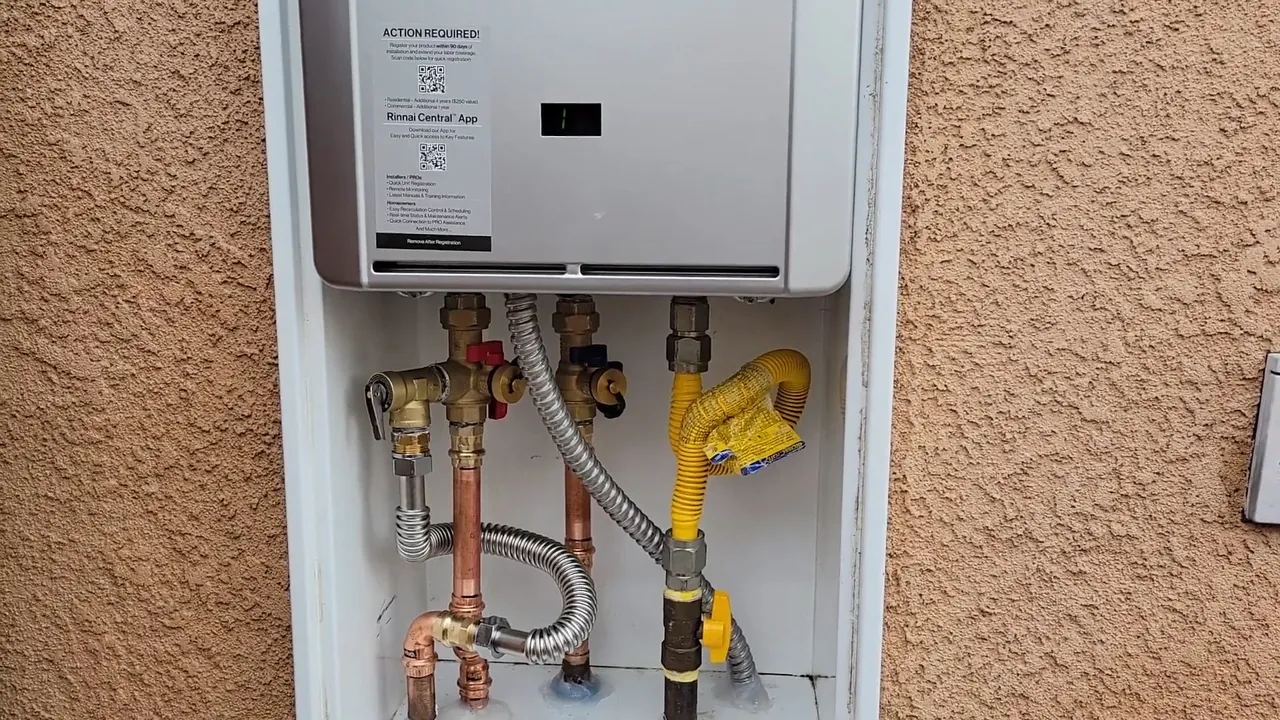
Lukewarm bursts, error codes and weak flow: signs a tankless unit needs a flush
A tankless heater tells you what is wrong in a few ways. Water that alternates between hot and cold, a unit that shuts off partway through a shower and an error code on the display are the most common. Scale on the heat exchanger is a frequent cause, and a flush clears it.
- Hot water that fades to lukewarm while the tap stays open.
- An error code on the display that returns after a reset.
- Flow at the fixtures weaker than it used to be.
- Loud rumbling or kettle-like sounds from inside the unit.
- A unit that fails to ignite on the first try.
The service is a descaling flush: the plumber isolates the unit, connects a pump and hoses, runs a cleaning solution through it, rinses and checks the inlet filter. Mineral levels depend on your water, so confirm what your provider reports and ask for a schedule that fits.
A gas tankless unit vents exhaust. If you smell gas or the unit sounds like it is struggling to vent, shut it off, step outside and phone your gas utility or 911.
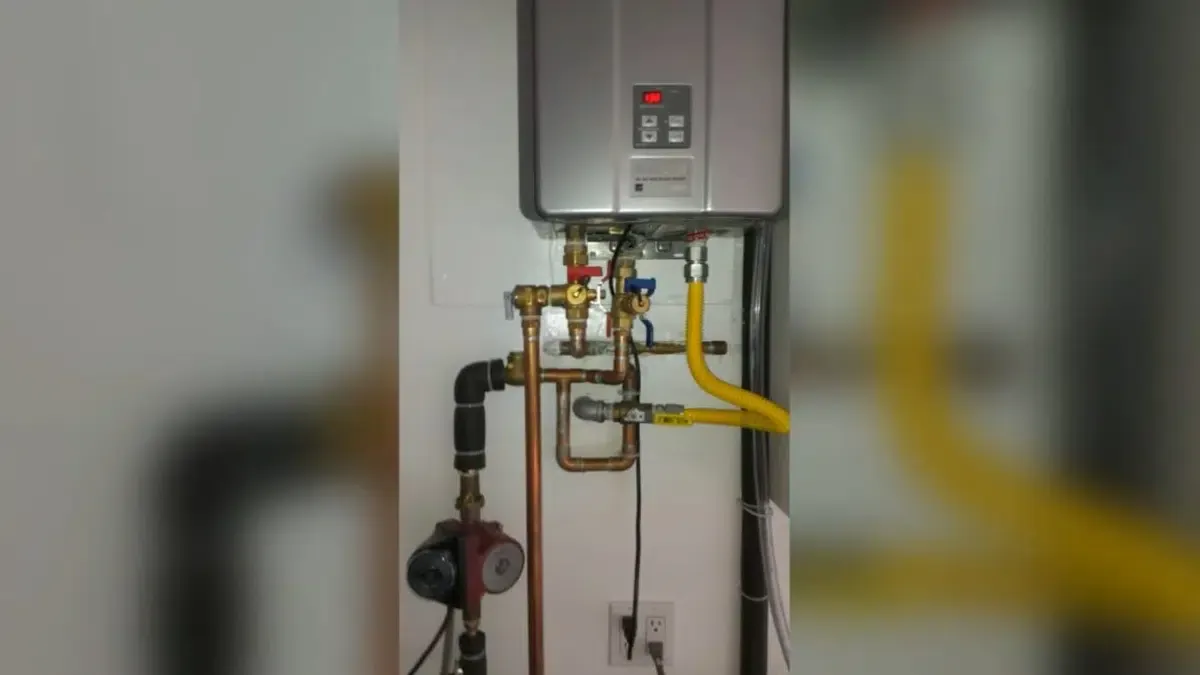
Tankless water heater repair: what troubleshooting covers
Most tankless problems fall into a short list. The plumber starts with the error code, checks the inlet filter and the flow sensor, tests the gas or power supply, and inspects the vent. Many fixes are small parts or a cleaning, and replacing the unit is a last step.
| What you see | Common cause | Typical fix |
|---|---|---|
| Hot and cold swings | Scale, or low flow below the unit's minimum | Descale; check fixtures and filter |
| No ignition | Gas supply, igniter or flame sensor | Test the supply; clean or replace the sensor |
| Error code after a reset | Vent blockage, sensor fault or scale | Read the code, then clear the cause |
| Weak flow | Clogged inlet screen or scale | Clean the screen; flush the unit |
| Water leak at the unit | Loose connection or failed heat exchanger | Tighten, or replace the part or unit |
Ask which code the unit showed and what it means. The label on the unit lists the model, and a plumber can match it to the maker's manual.
Installing a tankless water heater: gas line, venting and power
A tankless unit asks for more than a tank. A gas model needs a gas line sized for the unit's full burn, a vent path that meets the maker's rules and a condensate drain on condensing models. An electric model needs a large circuit and a panel that can carry it. The plumber checks all of this before quoting the work.
Larger work can need a permit. Because Gold Canyon is unincorporated, Pinal County rather than a city sets the rules for most homes. Ask who applies and whether the job needs an inspection, and keep a copy of the result.
Larger work and permits
Pinal County publishes permit requirements for plumbing work in unincorporated areas. A tankless install that changes the gas line or adds a circuit can fall under them.
Source: Pinal County, Applications and Information Bulletins
Tankless unit acting up?
Call the 24/7 line. A plumber serving your area reads the code, checks the supply and tells you whether a flush or a repair fits.
- Licensed and insured plumbers
- Same-day service when available
- 24/7 emergency dispatch
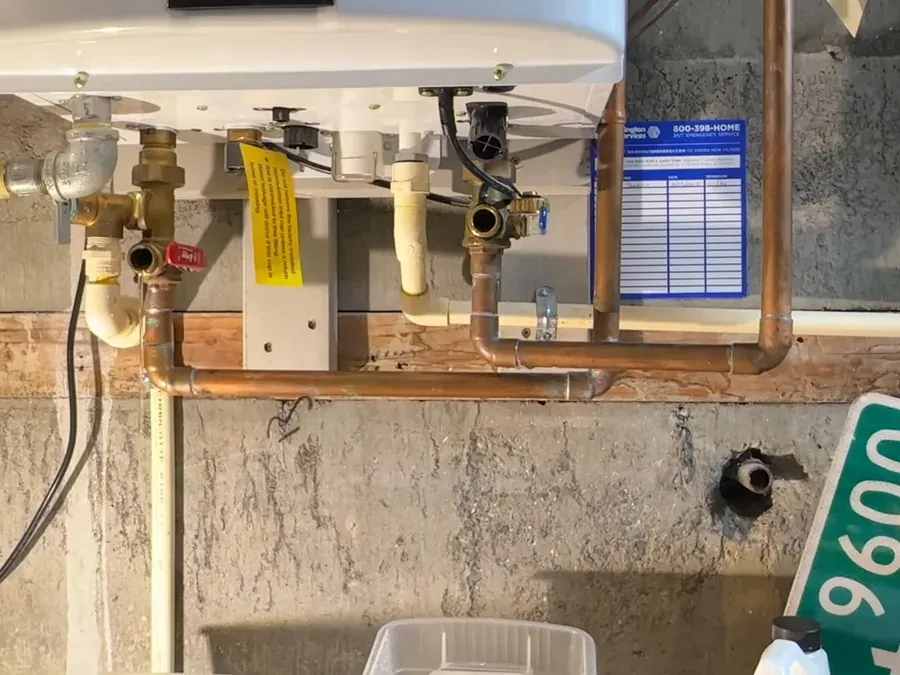
Replacing a tank with tankless: what a conversion involves
Swapping a tank for a tankless unit is a conversion and not a like-for-like replacement. The old tank and its flue come out, new valves go on the supply lines, and the unit mounts on a wall. If the home is gas, the gas line and vent are the main work. If it is electric, the panel and wiring are.
Plan for a few things beyond the unit: a place to mount it, a way to drain the condensate, and a way to flush it later. Ask the plumber where the isolation valves will go, since they make flushing possible without cutting into the lines.
Tankless versus tank, brands and fuel type
Tankless units come from several makers, and the plumber can service most of the common ones. Brand matters less than the model's fit with your gas line or electric panel, so give the plumber the model number if you already own a unit. Gas models cost less to run in many homes but need venting. Electric models skip the vent but need a large circuit.
If you are deciding between the two types and the old tank has not failed yet, the replacing the tank page covers the tank side of the choice, and the repair page covers the case where the old unit can be fixed.
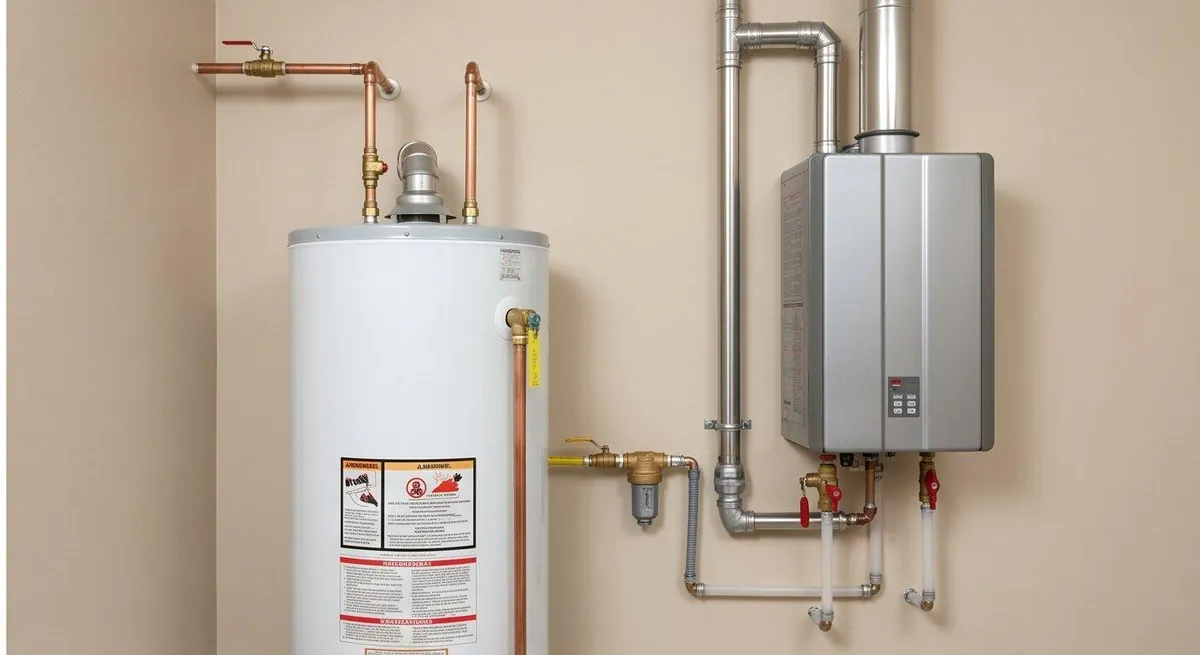
Three decisions before you commit to tankless
- Is the gas line or the panel ready? The plumber checks both before any quote.
- Where does the exhaust go? A gas unit needs a vent that meets the maker's rules.
- Who flushes it, and how often? Ask for an isolation valve kit and a flush schedule at install.
A clear answer to each, in writing, makes the comparison with a tank fair.
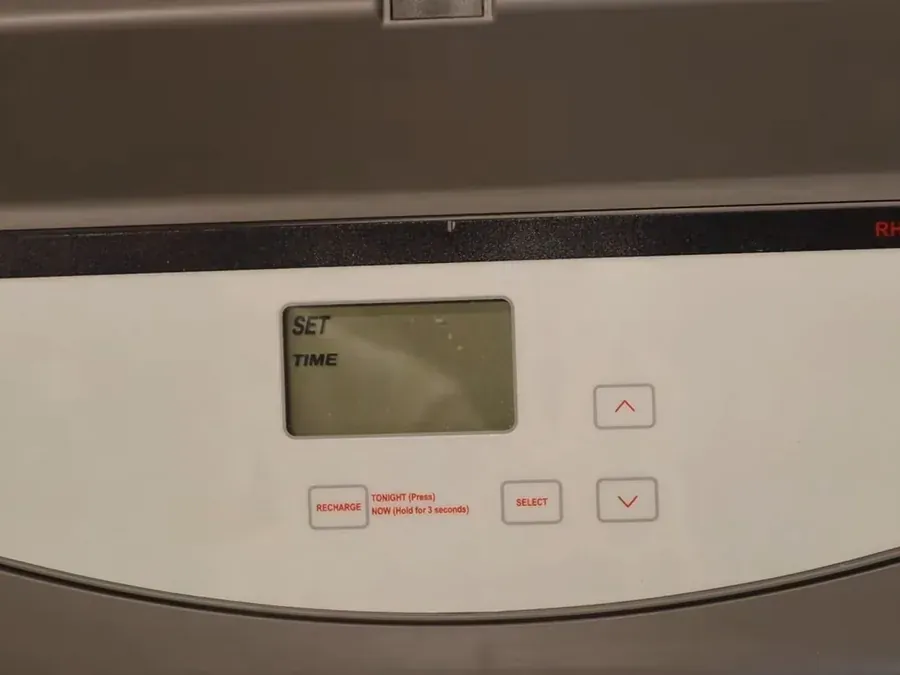
Compare tankless with a tank
Call and describe the home. The dispatcher sends a plumber who checks the gas line, the vent route and the panel.
- Licensed and insured plumbers
- Same-day service when available
- 24/7 emergency dispatch
Tankless questions answered
What is a tankless water heater and does my house need one?
A tankless unit heats water as it flows instead of storing it, so there is no tank to run out. No house needs one. It suits homes where a stored supply is wasted or space is tight. It asks more of the gas line or the electrical service than a tank does, which is why the plumber checks those two things first.
Should I choose a tankless water heater or a tank?
Compare three things: what the existing gas or electric supply can carry, how much hot water runs at once in your home, and how much the first install matters against later running. A tank is simpler to swap. A tankless unit takes less room and does not run out, but the connections often need upgrading. A plumber can sketch both options for your house.
Why does a tankless water heater need flushing or descaling?
Minerals in the water coat the heat exchanger over time. The coating reduces flow, causes error codes and shortens the unit's life. Flushing is routine maintenance for a tankless unit: a descaling flush circulates a cleaning solution through the heat exchanger and then rinses it out. How often depends on your water, so check what your water provider reports and ask the plumber for a schedule.
What does tankless water heater service cost?
Price depends on the unit, the problem and how hard the connections are to reach; the cost page lists what moves it. The choice usually comes down to a flush or repair now, or replacement later. Ask the plumber what the unit needs today and what the next failure would likely involve.
When a tankless unit fails in a closet
Two neighbors of this service are worth a look.
- drying a soaked closet covers removal and drying after a leaking unit.
- softener and filtration explains what a scaled heat exchanger may call for.
Hot water without the wait
Call the 24/7 line. A plumber serving your area flushes, repairs or installs the unit.
- Licensed and insured plumbers
- Same-day service when available
- 24/7 emergency dispatch