
Find and Fix a Plumbing Leak in a Gold Canyon Home
A wet ceiling stain, a water bill that jumped or a meter that keeps spinning means water is escaping somewhere. Call the 24/7 line, describe what you see and give your address; a plumber serving your area locates the leak and fixes the pipe or fixture.
- Licensed and insured plumbers
- Same-day service when available
- 24/7 emergency dispatch
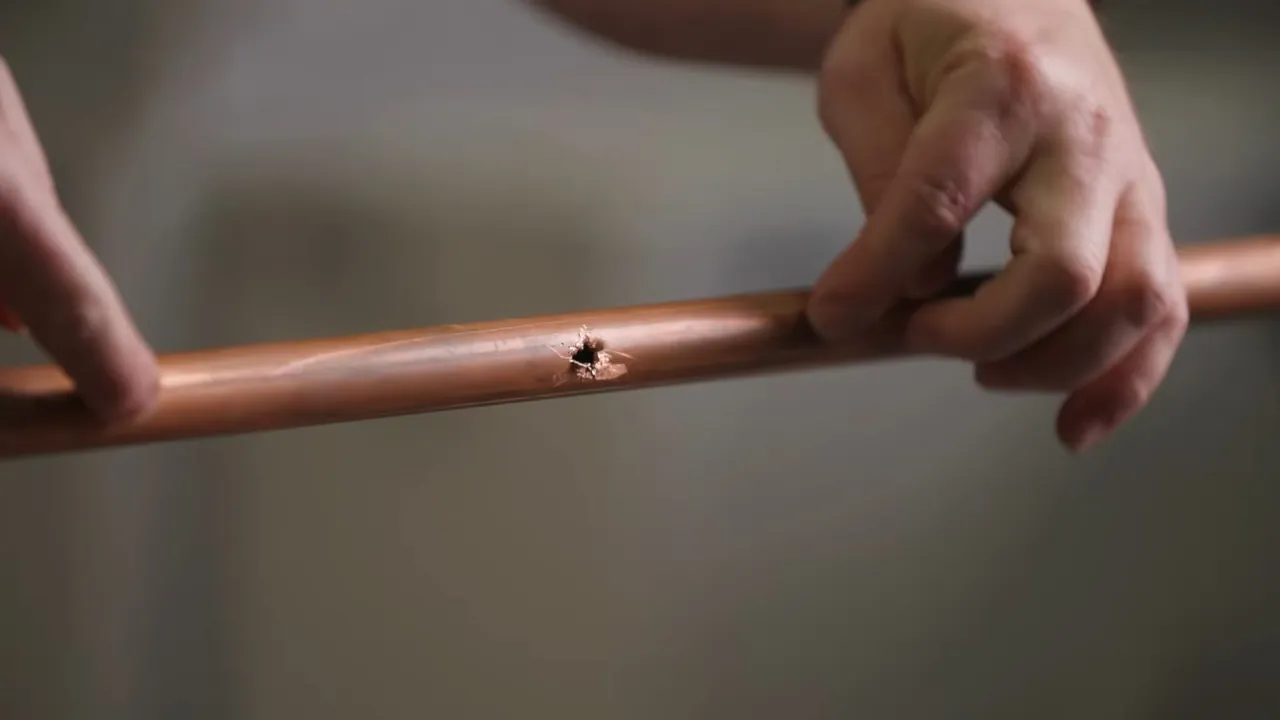
Warning signs of hidden leaks: is a plumbing leak the problem?
Most plumbing leaks announce themselves long before a pipe visibly sprays. The earliest signs are quiet: a bill that climbs with no change in habits, a damp smell in a closet, or a faint hiss from a wall when everything is turned off. The sooner you catch these, the smaller the repair and the less drywall, flooring and insulation get wet.
- A water bill that rises with no change in how many people live in the house or how much you water outside.
- Warm or wet patches on a floor, especially a tile floor that is warm to the touch with the heater off.
- Stains, bubbling paint or a soft spot on a ceiling or on the lower part of a wall.
- The sound of running water when every tap, toilet and appliance is off.
- A musty smell, new mildew or a swollen baseboard that stays damp.
- Low water pressure at one fixture or across the whole house.
The meter gives the quickest answer. Turn off every fixture and appliance, then read the meter and look again after 15 minutes. If the dial or the low-flow indicator moved, water is leaving the system. If the meter is still, the problem is probably in a single fixture or is not a leak at all. If you cannot find the meter, call; a plumber can show you where it sits and how to read it.
Small leaks are worth catching early. A pinhole that is ignored becomes one of the major water leaks: a leaky ceiling causing water stains, a cabinet base that rots, insulation that stays wet. Structural damage from prolonged leaks builds slowly and out of sight, which is why handling small leaks early keeps the repair small.
If water is near outlets, a panel or an appliance, stay out of the wet area and shut off the main water valve first. Turn power off at the panel only if you can reach it without standing in water.
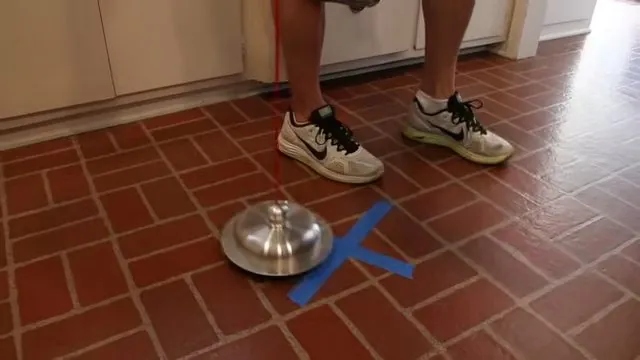
Leak detection service: how a plumber finds water you cannot see
Opening a wall to look for a leak is guesswork, and it gets expensive fast. A leak detection visit works the other way around: it narrows the location with equipment and tests, and then opens only the spot that needs opening. What gets used depends on where the water travels and what the pipe is made of.
| Method | What it finds | Where it fits best |
|---|---|---|
| Water meter test | Whether any water is leaving the system at all | First step for a high bill or a hidden leak |
| Electronic and acoustic listening | The sound a pressurized leak makes in a pipe | Leaks under slabs, in walls and in the yard line |
| Thermal (infrared) imaging | Temperature differences from moving water | Hot water lines, wet insulation, warm floor patches |
| Tracer gas (helium) | Gas pushed into an emptied line and sensed at the surface | Lines where sound and heat give weak results |
| Pressure and hydrostatic testing | Whether an isolated pipe section holds pressure | Confirming a suspected supply line or a pool line |
The methods usually work together. A meter test says a leak exists, listening narrows it to a stretch of pipe, and thermal imaging or a pressure test confirms the exact point. Ask the plumber which method found the leak and whether the same result can be shown to you before the repair starts.
The leak detection process ends with a precise leak location, and a good plumber records it: where the leak is, which method found it and what repair is planned. Keep that leak location documentation with your home records. Residential leak detection and repair can be requested by phone; ask for a leak detection service and describe the signs you found.
A leak does not stop on its own
Call now to describe what you see. The dispatcher takes your address and sends a plumber serving your area, with same-day service when available.
- Licensed and insured plumbers
- Same-day service when available
- 24/7 emergency dispatch
Hidden leaks under the house, in walls and in the yard
The leaks that cost the most are the ones nobody sees. Water in a wall cavity soaks insulation and drywall before it shows on the surface. Water under a house or beside the foundation can move along the pipe or the soil and appear a long way from the break. A line between the meter and the house runs underground and can leak into the yard for weeks without any change in the home. Underground leak detection finds the failed stretch first, and underground pipe repair then opens only that stretch.
A home with a crawlspace or a basement gives a plumber a view of the pipes from below, and a home without either is checked from the walls, the ceiling and the yard. Under the house, behind the wall or beside the foundation, the plan is the same: locate first, open second.
Foundation and pipe type matter for the plan, and they differ from house to house. Confirm what you have first: whether the home sits on a slab or a raised floor, and which material the supply lines are. The plumber can check this, and it shapes the choice between reaching a pipe from above, from below or by rerouting it. For leaks that point to concrete, see the page on slab leak detection and repair.
Irrigation lines are a separate trade. A broken sprinkler line or a failed valve box can look like a house leak on the meter, so shut the irrigation zone off before the meter test. If the meter stops, an irrigation contractor handles that system.
Know who bills your water
The company that supplies a Gold Canyon address depends on the street, and the City of Apache Junction notes that two water companies serve its area depending on address. Your bill names yours.
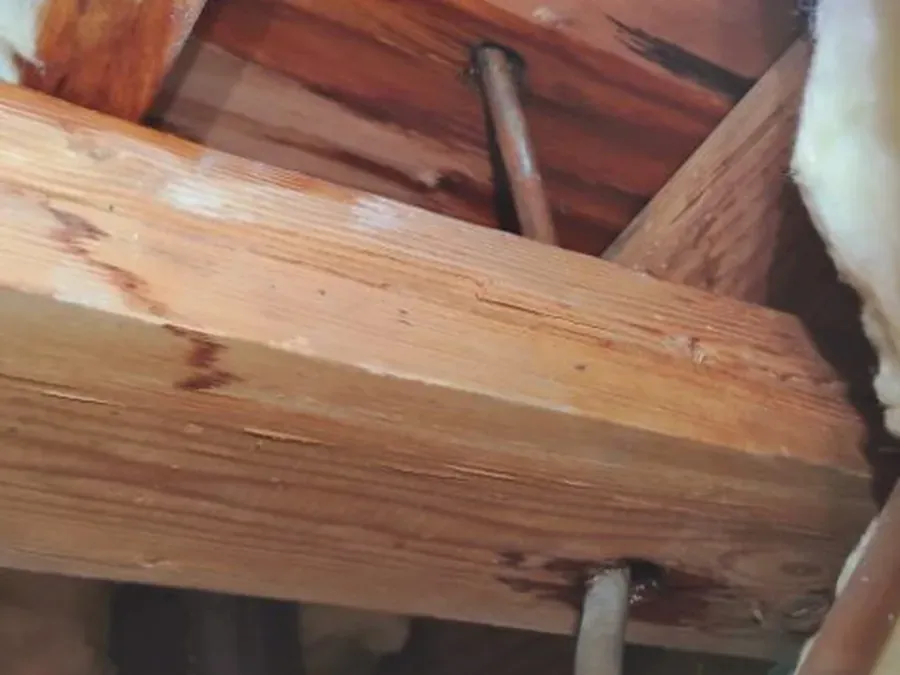
Fixture leaks: faucets, toilets, supply lines and shutoff valves
Fixture leaks are the common ones and the easiest to fix, and they are also the ones people leave running longest. A toilet that refills every few minutes can waste a large amount of water over a month without a single drip on the floor. A dripping tub spout, a braided supply line that has started to bulge and an angle stop that weeps when turned are all small parts that fail on schedule.
Toilets leak silently, so inspect toilets for silent leaks with a dye test. Add a few drops of food coloring to the tank and wait 15 minutes without flushing. If color shows in the bowl, the flapper or fill valve is leaking and needs replacing. For a sink, dry the cabinet floor and the pipes with a towel, run the water and watch where the first drop forms.
- A faucet that drips from the spout: worn cartridge or washer.
- A faucet that leaks at the base: worn seals or a loose packing nut.
- A toilet that runs: flapper, fill valve or chain adjustment.
- Water under a sink: loose slip nut, cracked trap or a failing supply line.
- Water at a shutoff valve: worn stem packing, often a short repair.
Appliance hoses on a washer or dishwasher can leak too; the hose is a plumbing repair and the cleanup of wet materials belongs with water damage restoration in Gold Canyon.
The plumber replaces the failed part and tests the fixture. If the fixture itself is cracked or the finish is gone, the visit becomes a replacement and the plumber will say so before starting. The faucet, toilet and fixture repair page covers that work in more detail.
Pool plumbing leaks: when the loss is not in the house
A pool that drops more than evaporation explains, or a pool pad that stays wet, can have a leak in the plumbing between the equipment and the water. Pools are part of the local housing mix, so pool plumbing leaks come up alongside house leaks.
A bucket test separates evaporation from a leak, and a pressure test on each pool line locates the failed run. The plumber handles the supply, return and fill lines. Pool equipment, the shell and the liner belong to a pool contractor. If you are not sure which side the problem is on, call and describe what you see.
Pools are permitted here
Pinal County's permit log lists in-ground pool permits in ZIP 85118 and four nearby ZIP codes for July and August 2023. Ask the plumber what part of the pool plumbing the visit covers.
Source: Pinal County, January permit log
Barrier rules still apply
Pinal County publishes protective barrier requirements for spas and pools. Check them before a repair that disturbs the fence or gate.
Source: Pinal County, bulletin 010
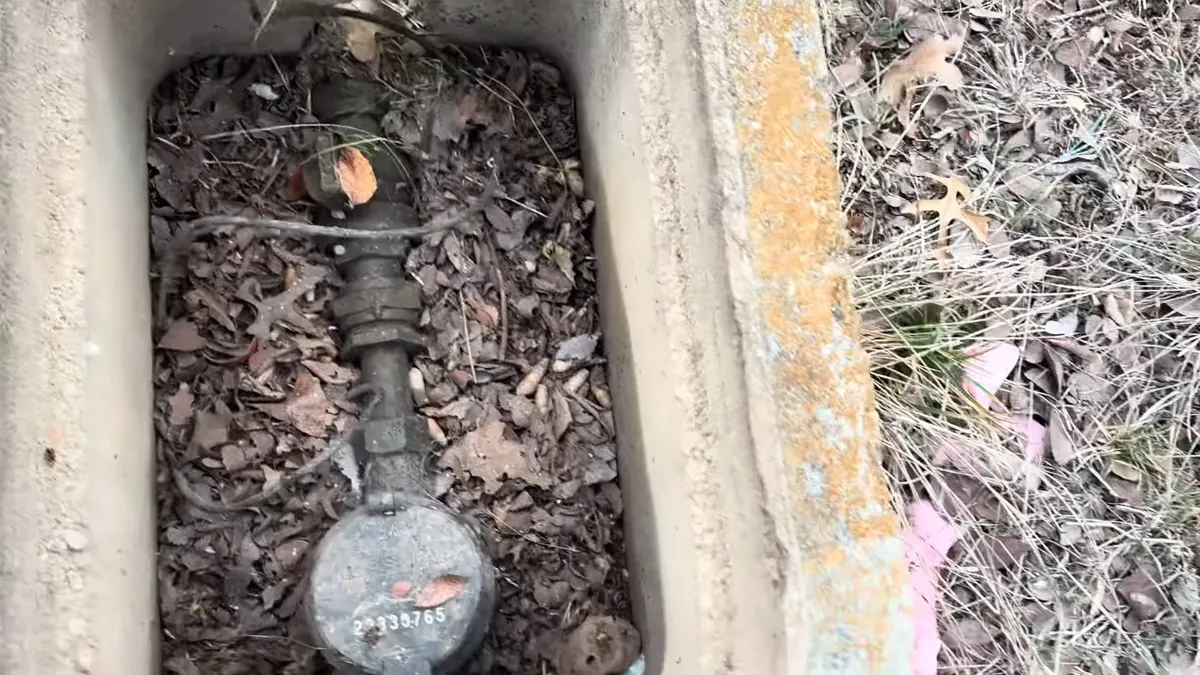
Plumbing inspection: check pipe condition so a leak does not come back
After a repair the question is why that section failed. A pipe that leaks once at a joint is a repair. A pipe that shows pinholes, green corrosion or a repair every year is telling you the material is wearing out. Plumbing maintenance and inspections both start by looking at the visible pipe, the fittings, the shutoff valves and the water pressure, and it records what was found so you can make a plan.
High pressure is an overlooked cause. A pressure reading above what fixtures are designed for stresses every joint in the house. The inspection includes a gauge reading, and if the number is high, a pressure regulator is a small fix that protects the rest of the system. If the inspection finds a run of pipe in poor shape, the page on whole-house pipe replacement explains when repiping a section or the whole house starts to make sense.
Four decisions to make on the phone with a leak
- Shut the water off or leave it on? If water is running onto a floor, close the main valve and open the lowest faucet. If the leak is a drip at a fixture, close just that fixture's valve.
- Detect first or repair directly? A visible leak at a fixture can be repaired right away. A leak you cannot see needs detection first, so the repair is done in the right place.
- What is the leak history? Tell the plumber when the first sign appeared, what was repaired before and what the meter did.
- Open the wall now or confirm first? A moisture reading and a pressure test are far less disruptive than an opened wall. Ask the plumber to confirm the source before cutting.
- Who handles what? Ask whether the visit includes drywall patching or whether that is left to a separate trade, and whether a permit applies to the repair.
Check the license and the permit
The state licensing line sits at $1,000 in labor and materials, or any job that needs a permit. The Registrar of Contractors lets you look up a plumber's license before a larger repair.
Source: Arizona Registrar of Contractors
Not sure where the water is going?
Describe the signs to the dispatcher. A plumber serving your area books detection first, then repairs only what the tests point to.
- Licensed and insured plumbers
- Same-day service when available
- 24/7 emergency dispatch
Leak questions from Gold Canyon homeowners
Can a dripping faucet, running toilet or leaking shower wait for a daytime visit?
Usually yes, if the water is going into a drain and not onto the floor. A dripping faucet, a toilet that runs after flushing and a shower that weeps at the valve waste water but rarely damage the house within hours. Close the small shutoff valve under the sink or behind the toilet to stop the loss in the meantime. Call right away when water reaches a floor, a wall or a ceiling, because that is when damage and mold risk start.
Why is my plumbing still leaking after a repair?
A repeat leak usually has one of three causes. The first repair may have fixed a symptom and not the failed section. A nearby joint on the same aging pipe may have given way. Or the water you see may be traveling from a different source than the one that was fixed. Tell the plumber exactly what was repaired and when. A fresh leak detection visit, with the meter test and listening equipment, finds where the water actually comes from before anyone opens another wall.
Should a leaking pipe be repaired or replaced?
Repair fits a single failed joint or a short damaged section on pipe that is otherwise sound. Replacement of that run fits when the pipe has leaked more than once, shows corrosion or pinholes along its length, or sits behind a finished wall that would be opened again later. Ask the plumber to show you the damaged section and to say why one option beats the other for your pipe. The decision depends on the material, the access and the condition of the pipe on either side of the leak.
How is a bathroom leak repaired without tearing out the whole room?
A plumber narrows the source first, with a moisture reading, a pressure test and a look at the supply lines, drain and shower valve. Often access comes from the back of the wall, from the ceiling below or through a small cut made right at the leak. A tile wall or a tub deck is opened only when the leak truly sits behind it.
Where a leak ends and a drain or heater problem begins
A slow fixture that overflows can look like a leak, so the clearing drain lines page is worth a read if water backs up and does not seep from a pipe. A tank that weeps at the base is covered under tank leak repair. For a burst pipe in the middle of the night, an emergency plumber in Gold Canyon is one call away.
Leak found, or still searching?
Call the 24/7 line. A plumber serving your area finds the source, explains the options and fixes the pipe or fixture.
- Licensed and insured plumbers
- Same-day service when available
- 24/7 emergency dispatch