
Slab Leak Repair for Gold Canyon Homes With Warm or Wet Floors
Most people picture a slab leak as a flood, but many start as a warm patch on the floor or a meter that will not stop. Call the 24/7 line before the water finds a way out; a plumber serving your area pinpoints the pipe and explains the repair options.
- Licensed and insured plumbers
- Same-day service when available
- 24/7 emergency dispatch
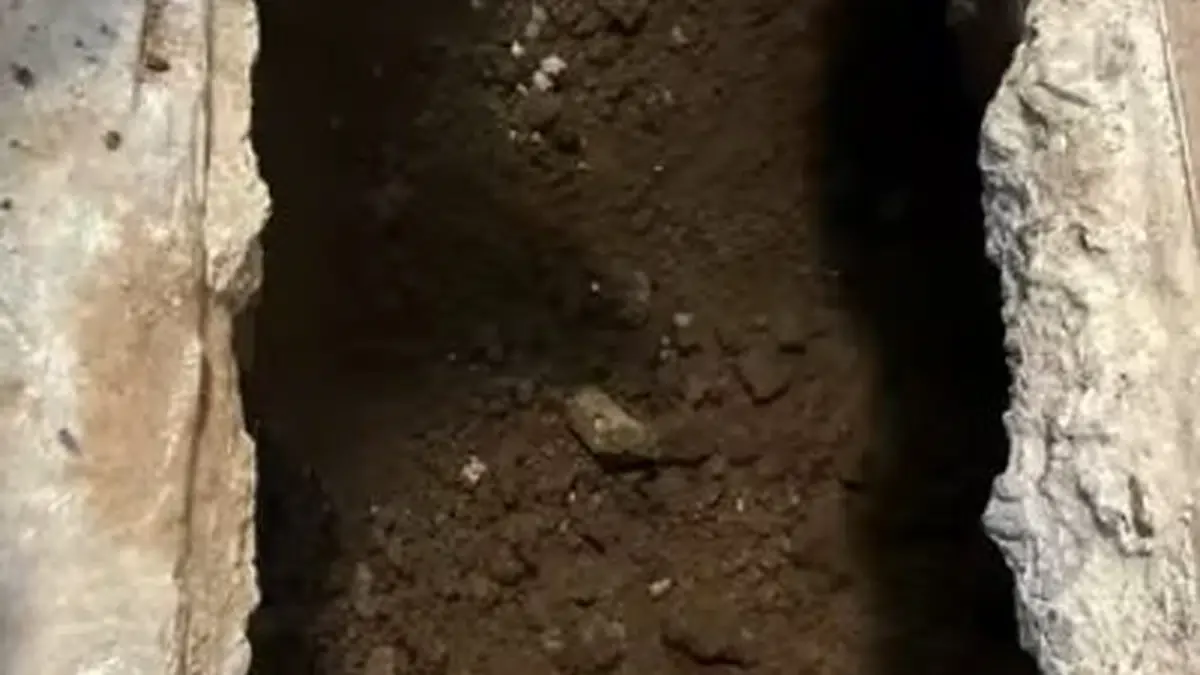
What a slab leak looks, sounds and feels like
Spotting a slab leak early matters because the benefits of slab leak repair, a smaller opening and less flooring to replace, shrink with every week of delay. A slab leak is a break in a water line that runs in or under the concrete floor of the house. Because the pipe is buried, the leak does not drip into a visible pan. The water finds the weakest path: along the pipe, into the soil, up through a crack or into the layers of flooring above. That is why the first signs are often sensory and easy to dismiss.
- Feel: a floor spot warmer than the rest, most often over a hot water line.
- Sound: a faint hiss or running water noise with every tap and appliance off.
- Sight: damp carpet edges, curling vinyl, loosened tile or a stain growing from a wall base.
- Smell: mustiness in a closet or along a baseboard that returns after cleaning.
- Numbers: a meter that moves with the house shut down, or a bill well above normal.
None of these proves a slab leak on its own. A leaking water heater, a toilet that runs or a broken irrigation line can produce a similar bill. The point is to rule the simple causes out quickly, which the page on leak detection walks through, and then move to detection under the slab if the water is still unaccounted for.
Close the main water valve if you suspect water is escaping under the floor. Leave the water off until a plumber has located the leak, and keep electrical items and cords off any wet flooring.
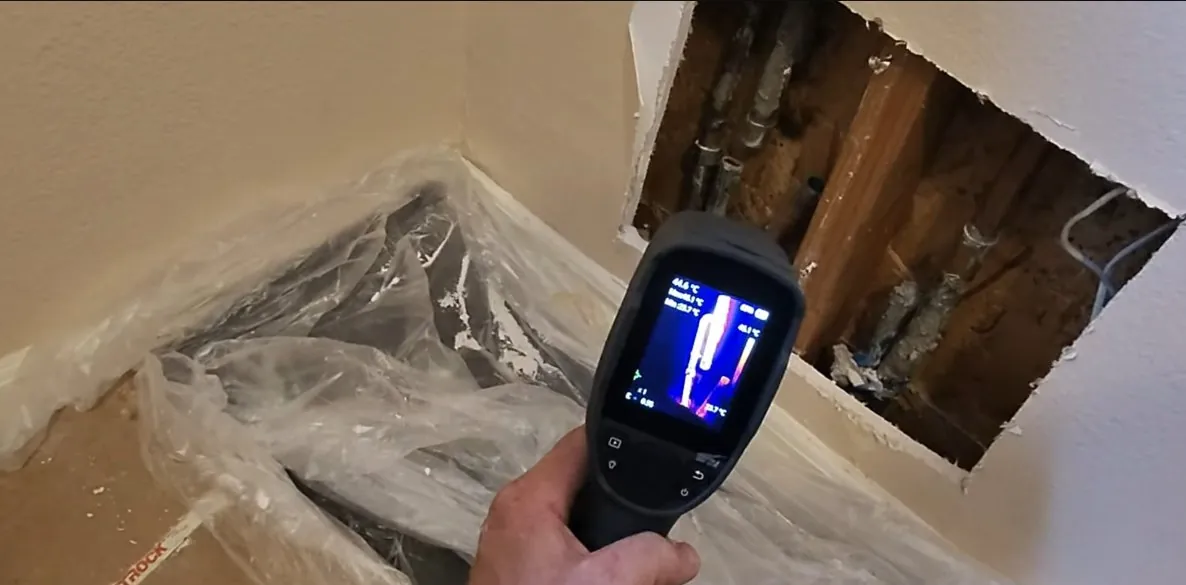
Gold Canyon slab leak detection: pinpointing the pipe before cutting concrete
Underslab leak service starts with a phone consultation and a visit that finds the leak before any cutting. Cutting a slab in the wrong place is the worst mistake in this kind of work, so detection comes first. Residential slab leak repair follows a set process, from the meter test to the marked floor. The plumber isolates which line is losing water, listens along the floor, and confirms the exact spot before anything is opened. The goal is a hole the size of the pipe, not a trench through the living room.
| Step | What the plumber does | What you learn |
|---|---|---|
| Isolate the system | Closes valves to separate hot and cold lines and the line to the house | Which line is leaking: hot, cold or the line from the meter |
| Listen to the slab | Uses electronic equipment on the floor and along the walls | The area where the sound is loudest |
| Trace with heat | Scans warm patches on the floor with a thermal camera | Confirms a hot water line and narrows the path |
| Mark the spot | Cross-checks the listening and heat results and marks the floor | The point of access for the repair |
You get a marked floor and a plain explanation before any work begins. Ask the plumber to show you where the line runs and why that spot was chosen, and what other rooms the repair might touch.
Confirm your foundation before you plan a slab leak repair
Not every Gold Canyon home sits on a slab. Some have raised floors with crawlspace access, where a leak is reached from below without breaking any concrete. Confirm what you have first, because the foundation decides which repair paths exist and how much of the floor is affected. Building plans, the home inspection report and a walk around the outside of the house usually settle it.
The same is true of the pipe. Copper, PEX and older materials fail in different ways, and the material shapes whether a spot repair, a reroute or a new line is the sensible fix. The plumber confirms both on site; do not rely on an assumption about what homes in the neighborhood are built from.
Ask who pulls the permit
Pinal County publishes permit exemptions and requirements for work in unincorporated areas, which includes Gold Canyon. Ask whether a slab repair or reroute needs a permit, and who applies for it.
Source: Pinal County, Applications and Information Bulletins
Warm floor, running meter, rising bill?
Call now and say what you are seeing. The dispatcher takes your address and sends a plumber serving your area; same-day service is offered when available.
- Licensed and insured plumbers
- Same-day service when available
- 24/7 emergency dispatch
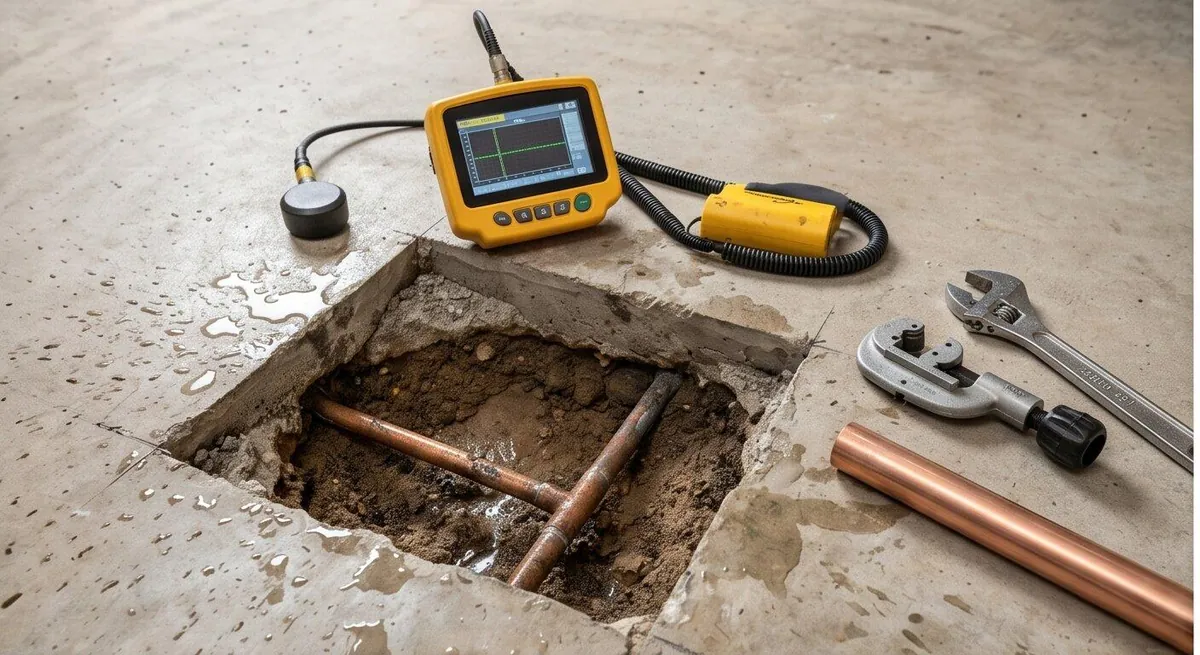
Does a slab leak always mean tearing up the floor? Repair methods compared
No. There are four common repair paths, and the one that fits depends on where the leak sits, how many times the line has failed and what the pipe is made of. A plumber should be able to explain why one beats the others for your house.
| Repair path | How it works | Fits when |
|---|---|---|
| Spot repair through the slab | A small opening is cut over the leak and the pipe is repaired | One accessible break, pipe otherwise sound |
| Reroute through walls or attic | The failed line is abandoned and a new line runs overhead | The line has failed before, or the leak is under a finished area |
| Tunnel under the slab (trenchless) | A tunnel is dug from outside to reach the pipe from below | The leak is deep in a room where cutting the floor is not wanted |
| Epoxy or lining | A coating or liner is applied inside the pipe | The pipe is intact enough to take it and access is limited |
Rerouting is often the longer-lasting fix when a line has leaked more than once, and a spot repair is the fastest when the break is clean. Ask whether a later failure in the same line is likely, and what the plumber would do about it. For long runs that are failing, the repiping page covers the larger option.
Do you need a plumber for a slab leak, and when
Yes, and the timing depends on what the water is doing. Consider two households. In the first, the meter creeps and one floor spot is slightly warm. The owner can close the main valve at night, open it for daytime use and ask for a visit the same day when one is available. In the second, water is coming up through a floor crack or flooring is wet; the main goes off now, and the call goes out immediately.
Insurance is worth a quick call to your carrier before work starts, since coverage for slab leaks varies by policy. Take photos of the damage and keep the plumber's findings, because a written note about the leak location and cause helps any claim. The plumber cannot say what a policy covers, and a quote or finding is not a coverage decision.
A gas smell changes the plan: get everyone outside first, skip light switches and open flames, and reach your gas utility or 911 from the yard. Plumbing waits until the house is safe.
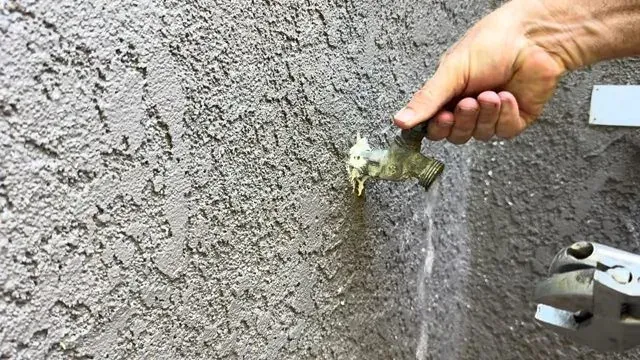
Three decisions before the repair starts
- Which line is leaking? Hot, cold or the line from the meter; the answer sets the repair path.
- Where is the plumber opening the floor? Ask for the marked spot, the planned size of the opening and who repairs the flooring afterward.
- Spot fix or reroute? A spot fix is faster; a reroute may last longer on a line that has leaked before.
Write the plumber's answers down. They help you compare options and give you a record if the problem returns.
A moving meter is worth a call today
Say what the floor and the meter are doing. A plumber serving your area decides whether detection can start the same day.
- Licensed and insured plumbers
- Same-day service when available
- 24/7 emergency dispatch
Slab leak questions answered
What are the symptoms of a slab leak?
The common ones are a warm or hot spot on a floor and the sound of running water when everything is off. Others are a meter that moves with all fixtures closed, a bill that jumps with no change in use, damp carpet or baseboards, and low pressure at the tap. Any one of these is a reason to run the meter test and call. Two or three together make a slab leak much more likely.
How do I know if I have a slab leak or a different kind of leak?
Start with the meter: close every fixture, read the meter, and read it again after 15 minutes. Movement means water is leaving the system. Then walk the house in bare feet and note warm floor spots, which point to a hot water line under the slab. Check fixtures and the water heater for visible drips. If the meter moves and nothing visible is leaking, a slab leak is a real possibility and detection is the next step.
Do I need a plumber for a slab leak, or can I wait and watch it?
You need a plumber, and the sooner the better. A homeowner can close the main valve to stop the loss, but the pipe cannot be reached or repaired without equipment. A bill that rises a little each month hides soil under the floor that stays wet. By the time flooring lifts or warps, the damage is larger than the pipe repair would have been. If the floor is already wet, close the main valve and call.
What does a slab leak look like on the floor?
It often looks like nothing at all. Visible signs include a warm patch, a damp carpet edge, a stain that spreads from the wall base, curling vinyl or a tile that has loosened or cracked. If you see any of these, shut off the water at the main valve and call. What can wait: a single slightly warm spot with the meter still. What cannot wait: standing water, a hissing sound or a moving meter.
When the slab leak is not the only plumbing problem
Wet flooring and drywall after a leak fall under water damage restoration, and a 24/7 plumber answers the line any time. A slab leak that comes with a spent water heater is worth a look at checking the tank and its fittings, since hot lines run through the same floors. If the water is wastewater and not clean supply water, the issue is a drain, and the sewer line page applies.
Do not wait for the floor to show it
Call the 24/7 line. A plumber serving your area locates the leak under the slab and explains your repair options.
- Licensed and insured plumbers
- Same-day service when available
- 24/7 emergency dispatch