
Pipe Repair and Whole-House Repiping in Gold Canyon, AZ
Pinhole leaks, rust-colored water and low pressure from old pipe can end with a burst line. One utility report says Apache Junction customers drink well water, and your own provider's report shows what is in yours. Dial the 24/7 number and a plumber serving your area stops the leak, then explains repair or repiping.
- Licensed and insured plumbers
- Same-day service when available
- 24/7 emergency dispatch
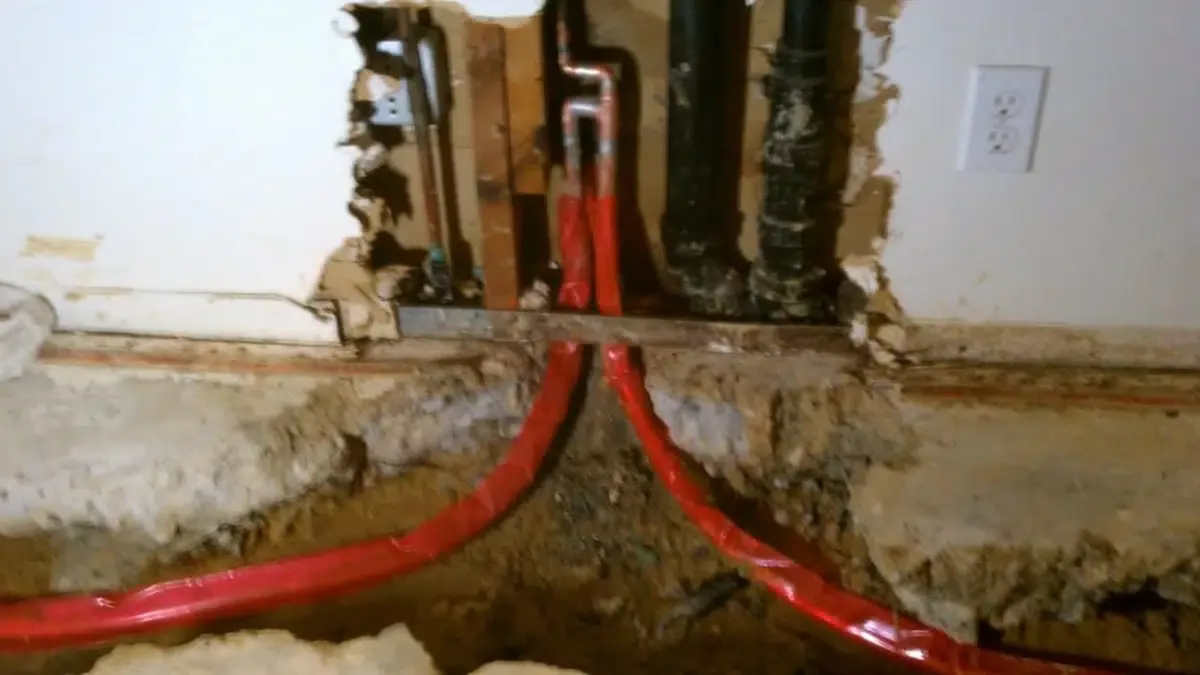
Pinhole leaks, rust-colored water and low pressure: when pipe is past repair
Pipe rarely fails without warning. Small pinholes that weep and dry, brown water when a tap first opens, and pressure that has slowly dropped are all signs of pipe wearing out from the inside. One leak is a repair. A pattern of leaks is the pipe telling you something.
Water chemistry affects how fast pipe corrodes. The Apache Junction area is served with groundwater from wells by at least one provider, and which provider serves your address depends on the street, so your provider's water report is the place to see what is in yours. The plumber can then match pipe material to the water.
Know your water source
The Arizona Water Company report for Apache Junction names wells as the supply. The city's utility page adds that the street address decides which of two companies serves a home.
Shut the main valve, run the lowest faucet and stay away from outlets and the panel. Then call the 24/7 line.
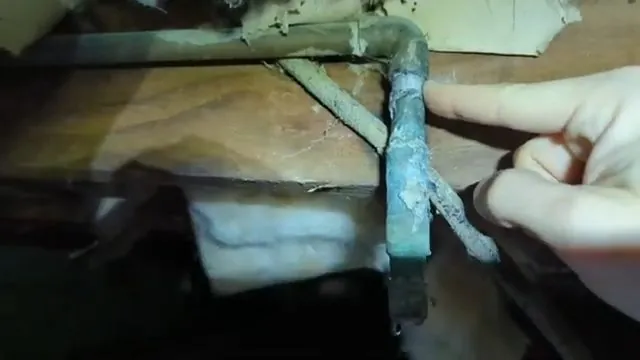
Burst pipe repair: what happens between the call and the repaired line
The plumber starts by stopping the water, then finds the break. A burst pipe is usually easy to see; a pinhole or a pipe that has cracked inside a wall takes longer. The repair itself is quick: cut out the damaged section, fit new pipe and fittings, and test.
| Step | What the plumber does | What you can do |
|---|---|---|
| Stop the water | Closes the main or an isolation valve | Know where your main valve is |
| Find the break | Checks the wall, the ceiling and the run of pipe | Point out the first sign you saw |
| Repair or replace the section | Cuts out the damage and fits new pipe | Ask to see the removed section |
| Test the line | Pressurizes the line and watches for drops | Stay off the water until told it is safe |
Ask whether the pipes on either side of the break are sound. A fresh repair beside weak pipe often fails again within months, which is when repiping starts to be worth discussing.
Whole-house repiping: is it time to replace all the pipes?
Repiping replaces the water supply lines throughout the house with new pipe, usually PEX or copper. It makes sense when leaks keep returning, when the pipe material is known to fail, or when water quality and pressure are both bad. It involves opening walls in some places and rerouting through attics or crawlspaces in others, so ask where access will be made.
No one can tell from the street what pipe is inside a given wall, because housing age and pipe material differ by home. Confirm what is behind the wall before anyone quotes. A plumber can check the pipe at the water heater, the meter and under the sinks, then say what the house is likely plumbed with.
Leak after leak is a pattern
Call the 24/7 line. A plumber serving your area looks at the pipe and tells you plainly whether it can be repaired or should be replaced.
- Licensed and insured plumbers
- Same-day service when available
- 24/7 emergency dispatch
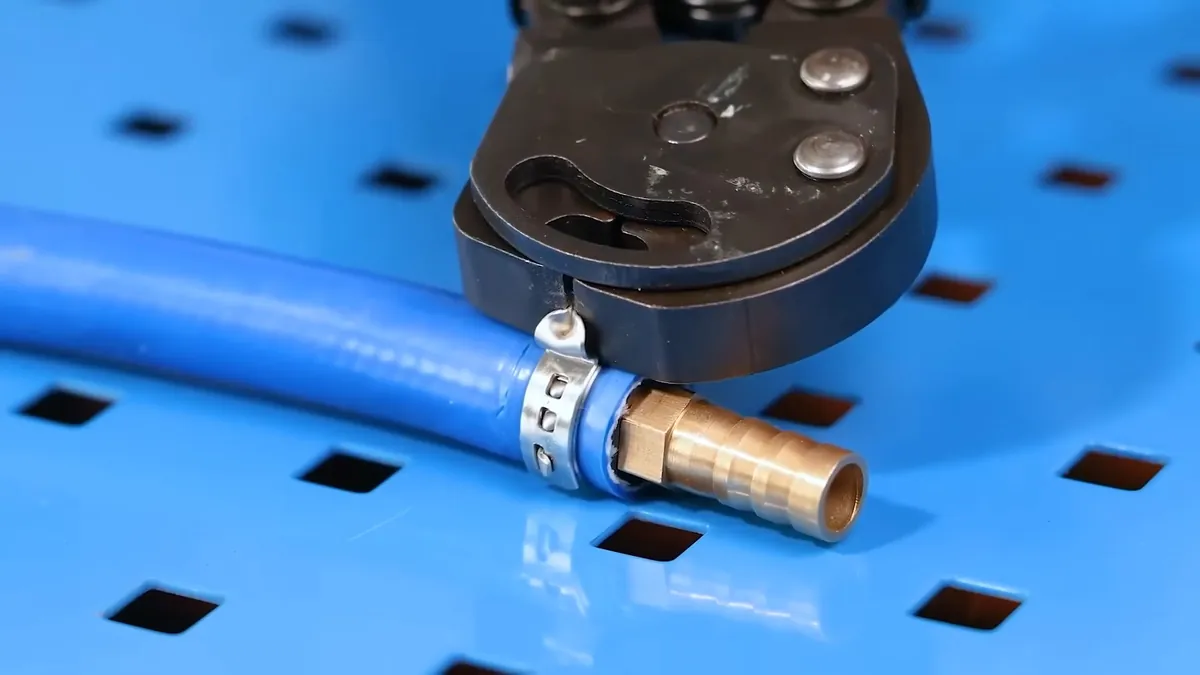
Galvanized, polybutylene, PEX, copper and cast iron: what each pipe does over time
Each material fails in its own way, and the plumber reads the failure to choose the repair.
| Pipe | How it fails | What it usually means |
|---|---|---|
| Galvanized steel | Rusts from inside; flow slows and water turns brown | Replace the run; spot repairs do not hold long |
| Polybutylene | Fittings and pipe can fail without warning | Often replaced when found |
| Copper | Pinholes, green corrosion at joints | Repair a spot; replace if several appear |
| PEX | Fitting failures or UV damage where exposed | Repair the fitting or the section |
| Cast iron, PVC, CPVC | Drain and vent materials; cracks and joint failures | Handled as drain repair or replacement |
Material is the main fact in the decision. Ask the plumber to show you the pipe before anyone talks about replacing it.
Pipe replacement and pipe under the slab or underground
Replacing a single run is different from repiping the house. It fits a failed section where the rest is sound. For pipe in or under a slab, detection comes first, then a choice between repairing through the floor, rerouting overhead or tunneling. The slab leak page explains those paths.
Larger replacement work may need a permit, and the permit office for Gold Canyon addresses is Pinal County. Ask the plumber to say yes or no up front, and who applies.
Check before you hire
State licensing covers larger jobs and any job that needs a permit. License status is listed online, so check it before the work begins.
Source: Arizona Registrar of Contractors
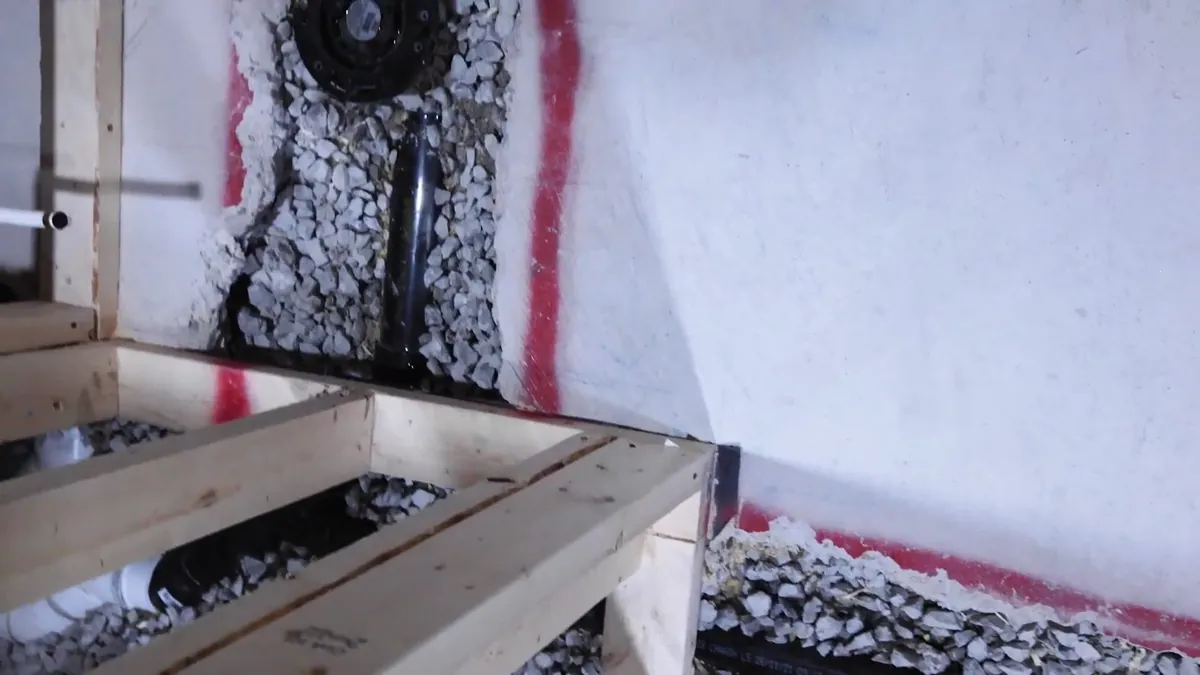
A burst pipe at night still gets answered
The 24/7 line takes your address, and a plumber serving your area plans the repair around the water you have.
- Licensed and insured plumbers
- Same-day service when available
- 24/7 emergency dispatch
Three decisions before you repipe
- Repair this run or repipe? One leak on sound pipe is a repair; repeated leaks are not.
- Which material? PEX and copper are the common choices, and the plumber explains the trade-offs for your layout.
- Where will the walls be opened? Ask for the access points and who patches the drywall afterward.
For an overnight burst, emergency plumbing in Gold Canyon is a call away, and the repair can be planned the next day.
Do not wait for the next leak
Describe the pipe and where it leaked. The dispatcher sends a plumber to look at the run and the pressure.
- Licensed and insured plumbers
- Same-day service when available
- 24/7 emergency dispatch
Pipe repair and repiping questions
Can a plumber repair a copper pipe, or does it need replacing?
A single failed spot on copper that is otherwise sound can be cut out and repaired. A pipe with several pinholes or green corrosion along its length usually calls for replacing that run. The plumber looks at the wall thickness, the color and the number of repairs already made, then explains which path fits.
Who do I call for a broken pipe?
Call a licensed plumber through the 24/7 line. Shut the main water valve first, then run the lowest faucet to empty the lines. Describe where the water is showing and whether it is a supply line or a drain. The dispatcher books the visit with a plumber serving your area and offers same-day service when available.
How is a burst pipe repaired once it is found?
The plumber isolates the section, cuts out the failed pipe and installs new pipe with proper fittings. Wall and ceiling openings are kept small and sized to the pipe. Afterward the line is pressure-tested before it is closed up. If the pipe is old, the plumber will point out the pipe on either side of the break.
What if the leaking pipe is under the slab or underground?
Leaks in buried pipe need detection first, since the plumber must find the exact spot before cutting. The repair may be a spot repair through the slab, a reroute overhead or a tunnel. Confirm what your foundation is first. The slab leak page covers the detection steps and the repair paths.
Piping repair and a cracked water pump: who handles which?
A plumber handles the pipes and fittings, including the connection at the pump. A cracked pump housing is the pump's own repair or replacement. On a private well, the pump and pressure switch belong to the well system, and the plumber can say where the plumbing stops and that equipment starts.
Burst pipes and what comes after
A burst line sends the next questions in two directions.
- the line between meter and house is a separate repair from pipe inside the walls.
- extraction and drying after a burst covers the cleanup once the water is off.