Water Removal and Drying After a Leak or Flood in Gold Canyon
A wet ceiling, a soaked carpet or a pool on the floor gets worse every hour it sits. Call the water damage line at (480) 581-1832, day or night. This service removes standing water, dries the structure and tests for mold, and it starts as soon as the source is stopped.
- Licensed and insured plumbers
- Same-day service when available
- 24/7 emergency dispatch
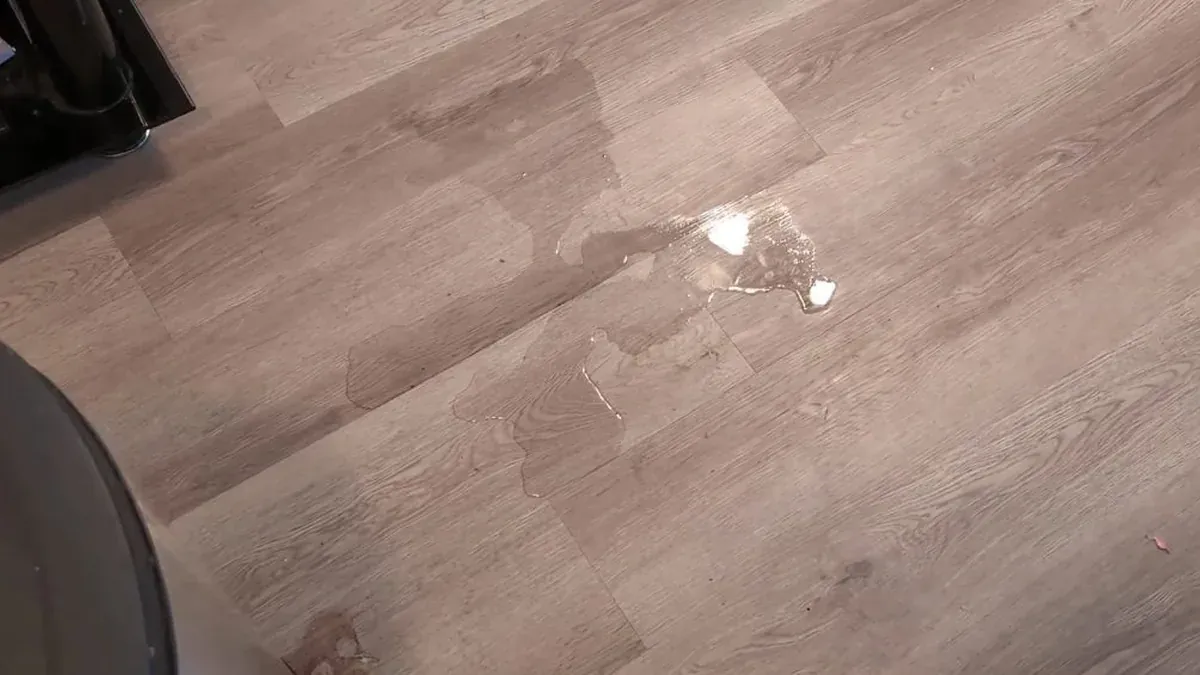
Water in the house right now: what to do before help arrives
The first hour matters most. Water spreads into drywall, insulation and flooring, and each hour it soaks in makes the drying job longer. The steps below are safe for any homeowner and set up the call.
- Stop the source if you can. Close the main water valve for a plumbing leak, or shut the leaking appliance's supply.
- Do not wade through water near outlets, power strips, appliances or the electrical panel. Cut power to the wet area only when the panel itself is dry to reach.
- Move small items and furniture out of the wet area if it is safe to do so.
- Photograph and film the damage before you move anything, for the claim and for the scope of work.
- Call the water damage line at (480) 581-1832 and give your address and what you see.
If the water came from a sewer backup, treat it as contaminated: keep children and pets out, do not touch it with bare hands, and stop using the drains.
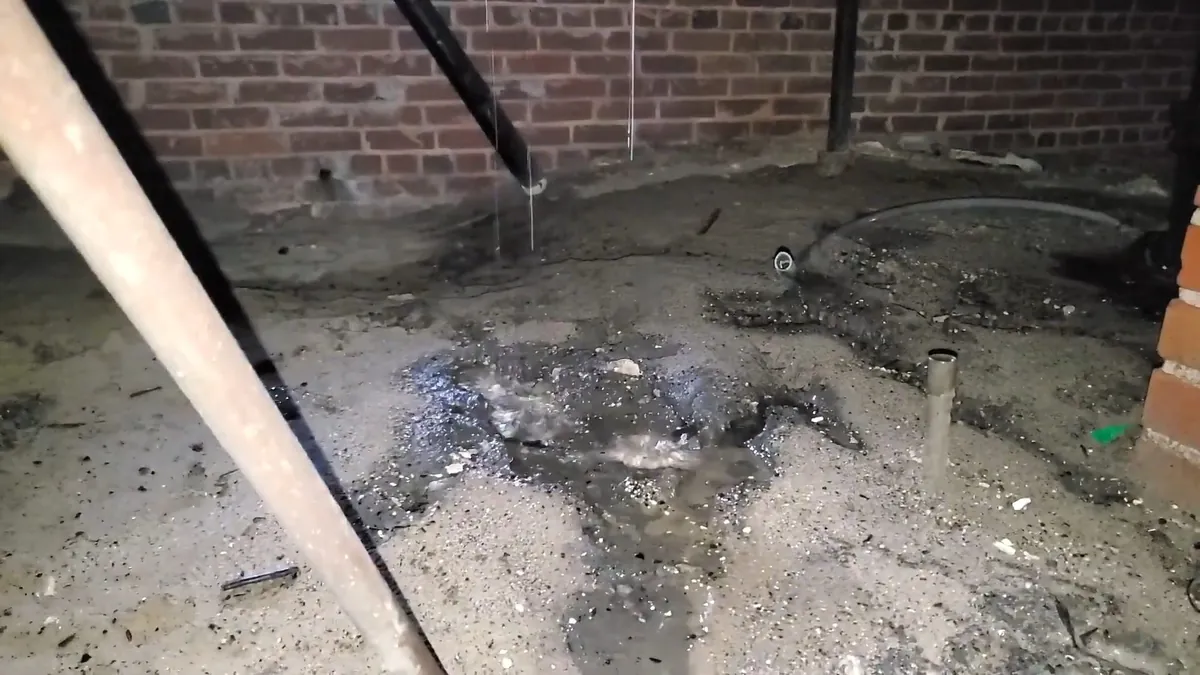
What happens on a water damage job, step by step
A water damage job follows a set order. Knowing it helps you judge whether the visit is moving at the right pace and what each step is for.
| Step | What happens | Why it matters |
|---|---|---|
| Stop the source | Plumber or homeowner closes the valve or fixes the leak | Drying does not work while water still enters |
| Assess | Moisture meter and thermal readings map the wet area | Shows how far the water went |
| Extract | Pumps and vacuums remove standing water | Cuts drying time |
| Dry | Air movers and dehumidifiers run until readings return to normal | Prevents mold and swelling |
| Confirm | Final moisture readings recorded | Gives you a record |
Drying is measured, not guessed. Ask for the readings at the start and at the end, and for the dry standard the readings are compared with.
Damage assessment: moisture readings and how far the water went
Water travels. It moves under baseboards, behind cabinets, into wall cavities and under flooring, far from where it first appeared. A moisture meter and a thermal camera show wet material behind a surface that looks dry. A plumber or a restoration technician then marks the wet area and sets the drying plan.
The assessment also records the loss: photos, readings and a list of affected rooms and materials. That record is the same set of documents an insurer asks for, so keep a copy of it.
Every hour wet is more drying later
Call the water damage line. A plumber and a drying visit start with stopping the source and removing standing water.
- Licensed and insured plumbers
- Same-day service when available
- 24/7 emergency dispatch
Water extraction and drying: air movers, dehumidifiers and flooring
Extraction removes the standing water. Drying handles the water in the materials. Air movers push air across wet surfaces and dehumidifiers pull the moisture out of the air, and the readings tell the technician when to stop.
Flooring and carpet are the usual casualties. Carpet and pad are often lifted and dried or removed, hardwood can cup or buckle, and tile floors dry from underneath. Which materials can be saved depends on how long they were wet and what the water carried, and the technician says so on site.
Burst pipes, sewage backups and leaks from roofs, ceilings and AC units
The cause decides the first steps. A burst supply pipe is clean water and a plumber repairs the pipe first. A sewage backup is contaminated, so the area is treated with more care and the plumber clears the line first; the sewer backups page explains that side. Leaks from a roof, a ceiling or an AC unit are stopped by the matching trade, and the drying starts after.
- Burst or leaking supply pipe: stop the water, repair the line, then dry.
- Sewage backup: clear the line, remove the water, dry the area.
- Roof, ceiling or AC leak: stop the source, then dry the wet ceiling and walls.
- Storm, river or rain water in the home: remove the water and dry once the source of flooding is gone.
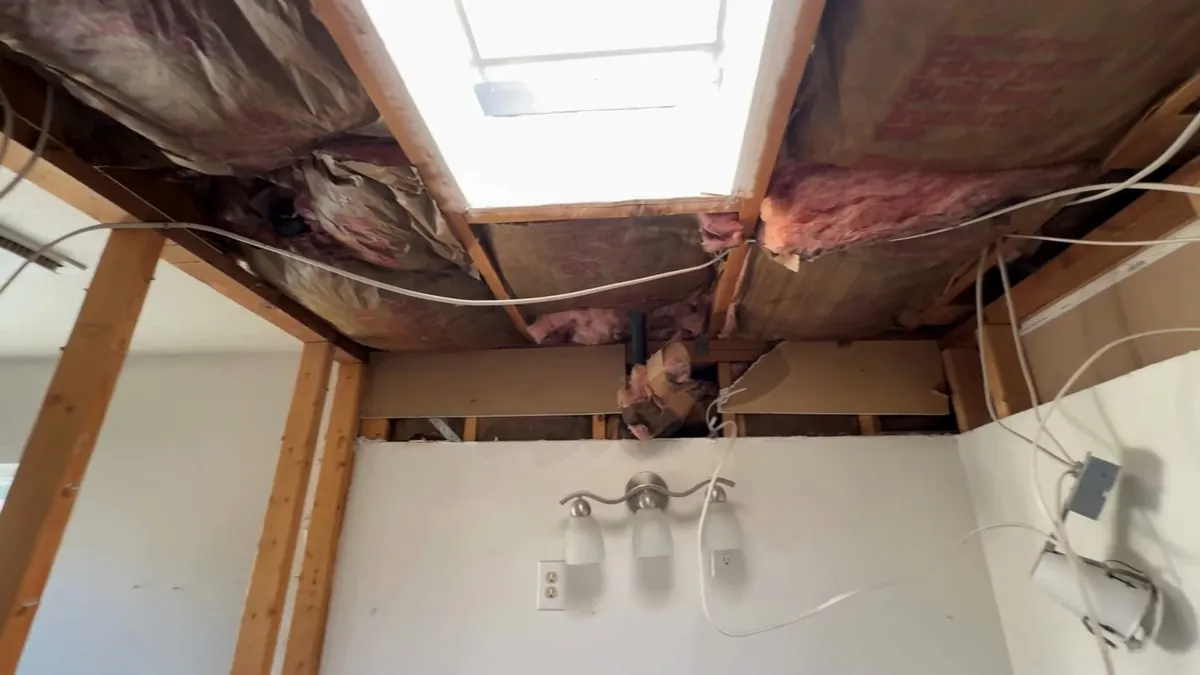
Water is still spreading while you read this
Call the water damage line at (480) 581-1832. The sooner standing water is out, the shorter the drying.
- Licensed and insured plumbers
- Same-day service when available
- 24/7 emergency dispatch
Mold after water damage: testing comes first, removal is its own step
Mold can start within days on materials that stay wet. Testing and inspection show whether mold is present, where it is and how much. The result sets the next step, and mold remediation, meaning the removal and treatment of the growth, is handled as a separate service with its own plan.
The rules about who may test or remove mold in Arizona are not set out on this page, so ask any mold company about its credentials and how it will contain the work. If drying was prompt and the readings returned to normal, a test may not be needed, and the technician will say so.
Situations homeowners describe when they call
Callers describe the problem in their own words. These are the situations that come up most, and what each one starts with.
- A burst pipe under a sink: water extraction first, then drying of the cabinet and the floor under it.
- Whole-house flooding from a burst pipe: mitigation starts with stopping the water, then removing it room by room.
- Flooded basement, crawl space or whole-house flooding: the order stays the same: stop the source, extract, then dry.
- A bathroom leak or a collapsed ceiling: emergency water extraction comes before the drywall is opened.
- Leaks from non-plumbing sources such as a roof, a ceiling or an AC unit: the matching trade stops the leak, then the drying starts.
- Hardwood floor cupping after an HVAC condensate line leak: the boards are dried and checked before anyone decides to replace them.
- Hardwood floor drying after a washer valve break: the same moisture readings decide when drying can stop.
- A major water loss at a vacant home: the damage assessment and loss inspection record the damage for the insurance claim.
- Air mover and dehumidifier rental after rain flooding: the technician sets up and removes the equipment, and renting units to run yourself is a different request, so say so on the call.
- A water leak in the kitchen, follow-up visit: readings confirm that the walls and cabinets are dry.
- Mold assessment for a condo association or a single unit: testing shows whether mold is present, and the result decides the next step.
- Mold inspection and a salvageability question: the technician says what can be dried and what the water carried.
- Mold cleanup after a leak under a bathroom sink: testing comes first, and cleanup or mold removal is a separate job.
- Suspected mold and an odor under stairs: a test shows whether the smell is mold or something else.
Insurance claims and loss documentation
An insurer wants to see what was damaged and when. Photos, video, moisture readings and a dated scope of work all help. Keep receipts for emergency steps and ask the technician for a copy of the readings and the equipment log.
The drying company records the loss. It does not decide coverage and it does not negotiate for you. For a claim, your policy and your insurer set the terms, and any questions about coverage go to them.
What this service does not cover
This is a removal and drying service. It does not include rebuilding walls or floors, waterproofing a basement or a crawl space, or a foundation inspection. A flooded basement or crawl space, where a home has one, is dried the same way, and a separate contractor handles any waterproofing or structural questions. Smoke and soot cleanup is a different trade; call a company that does it.
Condos, apartments and commercial properties are handled the same way, with the building owner or manager involved in the plan. The plumbing for commercial properties page covers the plumbing side.
Rebuilding is a permit question
Rebuilding after drying is a separate contractor job. Pinal County publishes which work needs a permit in unincorporated areas, and the contractor should say who pulls it.
Source: Pinal County permit bulletins
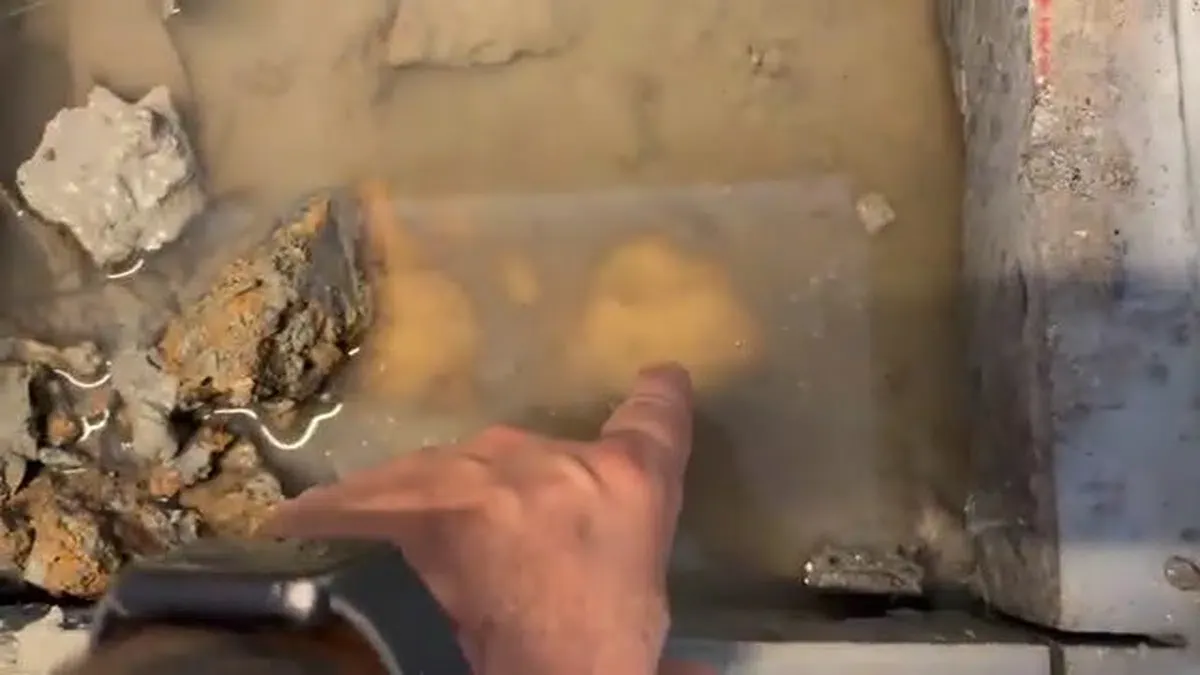
Call the water damage line
Water damage calls go to (480) 581-1832. Give your address and tell the dispatcher what you see.
- Licensed and insured plumbers
- Same-day service when available
- 24/7 emergency dispatch
Water damage questions answered
What does a water damage restoration visit cover?
It covers removing standing water, drying wet materials with air movers and dehumidifiers, checking moisture in walls and floors with a meter, and mold testing when it is called for. It does not cover reconstruction, fire or smoke work, or waterproofing. A written scope before work starts shows exactly which of those apply to your loss.
Should I call my insurance company before or after drying starts?
Call as soon as the water is stopped, and say that emergency drying is starting. Take photos and video of the damage, the source and the wet materials before anything is moved, and keep any removed items you can until the insurer says otherwise. Coverage depends on your policy, and the drying company does not decide a claim.
Can water damage lead to mold, and how soon?
It can. Materials that stay wet can support mold growth within a few days, which is why drying starts quickly. If you see or smell mold, or if the drying took longer than expected, a mold test shows whether it is present and where. Removal of mold is a separate step from drying and testing.
What if the water came from a roof, a ceiling or an AC unit?
Water from a non-plumbing source is still water in the house, and it still needs removal and drying. Stopping the source is a different trade: a roofer for the roof, and an HVAC contractor for a condensate line. The restoration visit handles what is wet inside.
Plumbing repairs that follow the drying
Drying handles the water. The cause still needs a plumber.
- finding hidden leaks explains how leak detection traces the source.
- a heater that flooded a closet covers the repair behind that kind of spill.
- sewer line replacement is the repair when a backup came from a failed main.
- repiping a failed supply line covers pipe that keeps failing.
- clearing a clog is the first step after a drain overflow.
- water line replacement covers a failed line between the meter and the house.
- slab leak detection applies when water rises through the floor.