Sewer Line Repair and Replacement for Gold Canyon Homes
Sewage rising in a tub, a floor drain that gurgles or a sewer smell in the yard points to the main line, and it does not wait. Call the 24/7 line and stop using water in the house. After the dispatcher logs your address, a plumber is sent to find the blockage or the break.
- Licensed and insured plumbers
- Same-day service when available
- 24/7 emergency dispatch
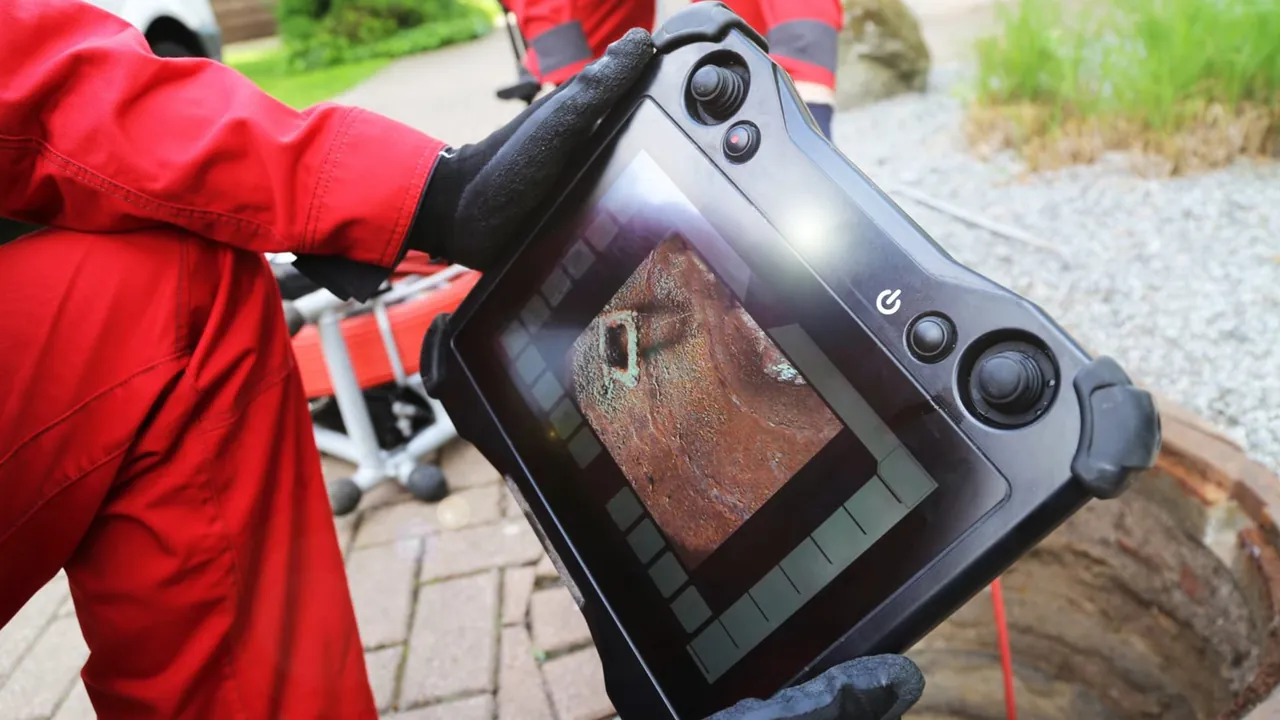
Sewage backing up: what to do in the first ten minutes
A sewer backup is the plumbing problem where speed matters most. Wastewater has nowhere to go but out of the lowest opening in the house, which is usually a tub, a shower or a floor drain. The more water the house sends down the line, the more comes back up.
- Stop all water use. No flushing, no laundry, no dishwasher, no showers.
- Keep people and pets out of the wet area. Sewage carries bacteria, and children and pets are the most exposed.
- Do not open the cleanout. A cleanout on a backed-up line can spill sewage onto the ground and onto you.
- Call the 24/7 line and tell the dispatcher which drains are backing up and where the water is showing.
- Photograph the damage from a safe distance before cleanup, in case a claim follows.
Do not touch electrical items or outlets near standing wastewater. If the backup reaches rooms with outlets, keep out and tell the dispatcher.
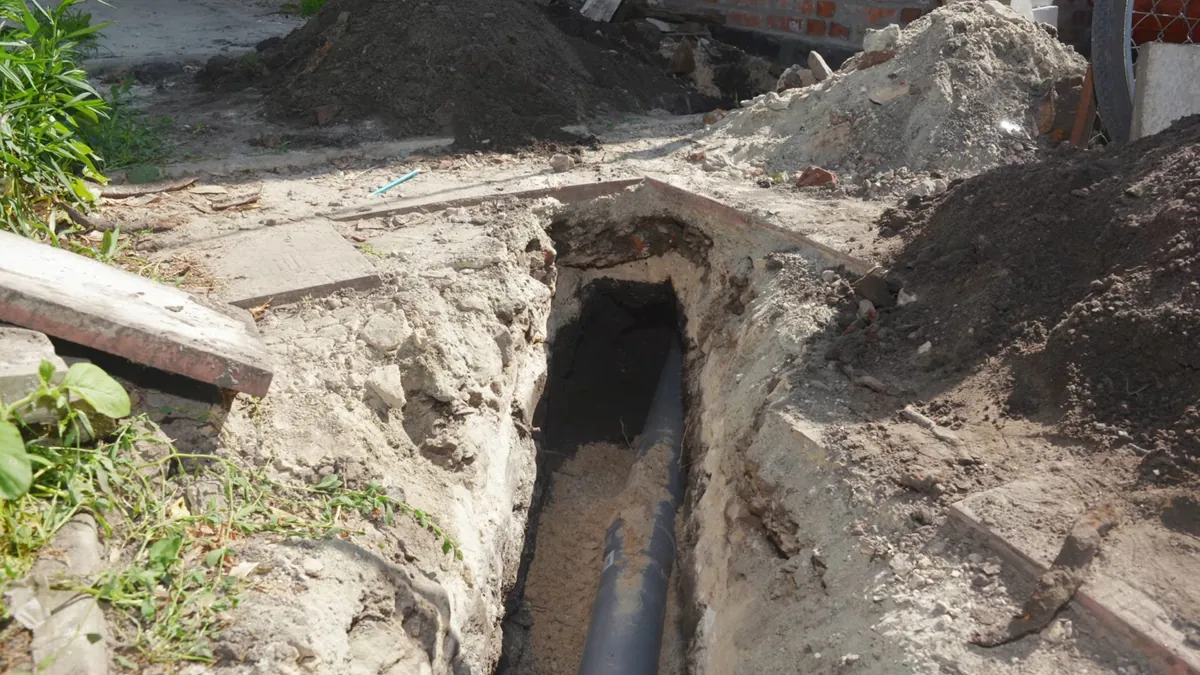
Sewer line repair: what the plumber finds and what it means
A repair starts with a diagnosis, and sewer leak detection is part of it: the camera shows where the pipe is losing wastewater. First comes a clear line. The plumber clears the blockage so the line can be seen, then sends a camera through to find the cause. The footage shows whether the blockage was a one-time event, such as a buildup of waste, or the sign of a defect that will come back, such as a crack, a sag or roots.
| What the camera shows | Meaning | Usual next step |
|---|---|---|
| Clean pipe, debris cleared | One-time blockage | Maintenance advice only |
| Roots at a joint | Opening in the pipe at the joint | Cut roots; repair or reline the joint |
| Crack or hole in the pipe | Pipe wall is broken | Sectional repair or lining |
| Sag or standing water ("belly") | Pipe has settled | Excavate and replace that section |
| Collapsed or crushed section | Line is blocked by the break itself | Excavate and replace |
Ask for the footage, or for a screenshot of the defect. Seeing it makes the choice between repair and replacement concrete.
Sewer backup or mainline clog?
Call now. A plumber serving your area clears the line and runs a camera, with same-day service when available.
- Licensed and insured plumbers
- Same-day service when available
- 24/7 emergency dispatch
Lateral line: what the homeowner owns and what the provider owns
The sewer lateral is the pipe that runs from the house to the connection with the main in the street or easement. Whether a city, a county district or a private sewer company owns that main depends on the address. The homeowner generally owns the lateral, and the provider owns the main, but where one ends and the other begins is set by your provider and your address. Which provider handles the main on your street depends on your address, and your bill or your county can tell you.
Ask your sewer provider where the homeowner's responsibility ends before you pay for work that sits on the provider's side. A plumber can show where the camera reaches the connection, and a sewer line inspection and repair plan can be built from that footage, and that footage helps in the conversation. If the line serving your home is a septic system instead of a sewer connection, this page does not apply; confirm which you have first.
Dig safely
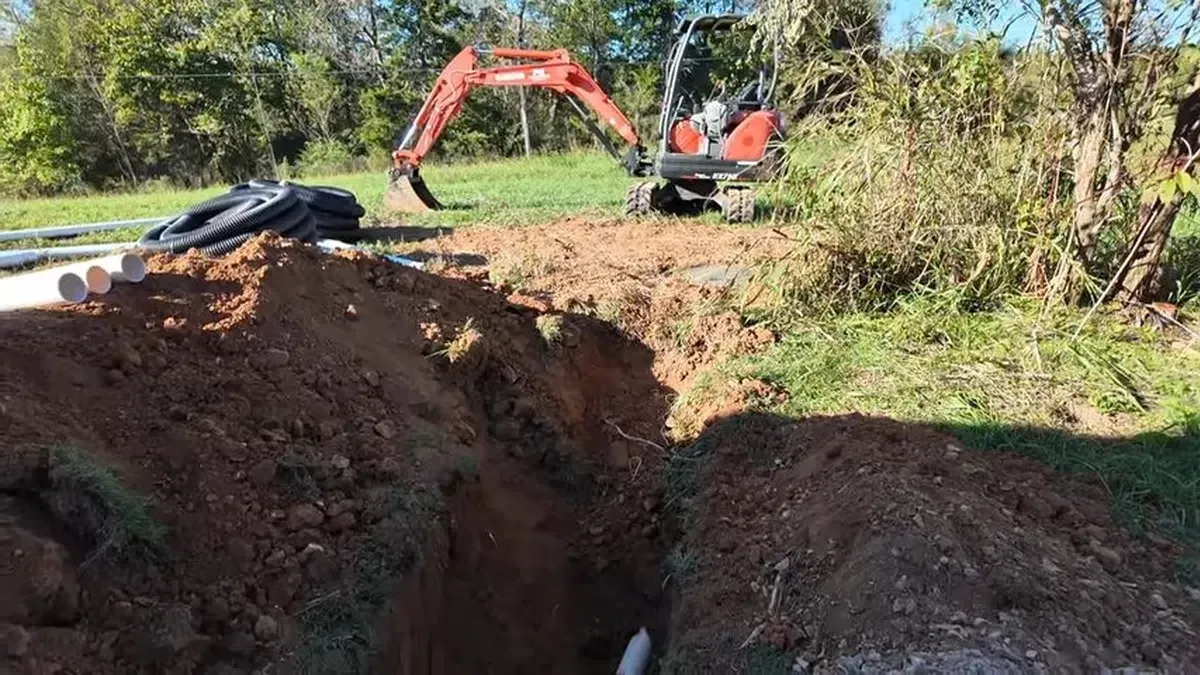
Opening the yard for a sewer repair brings the same step: contact Arizona 811 before the first shovel goes in so buried lines are marked.
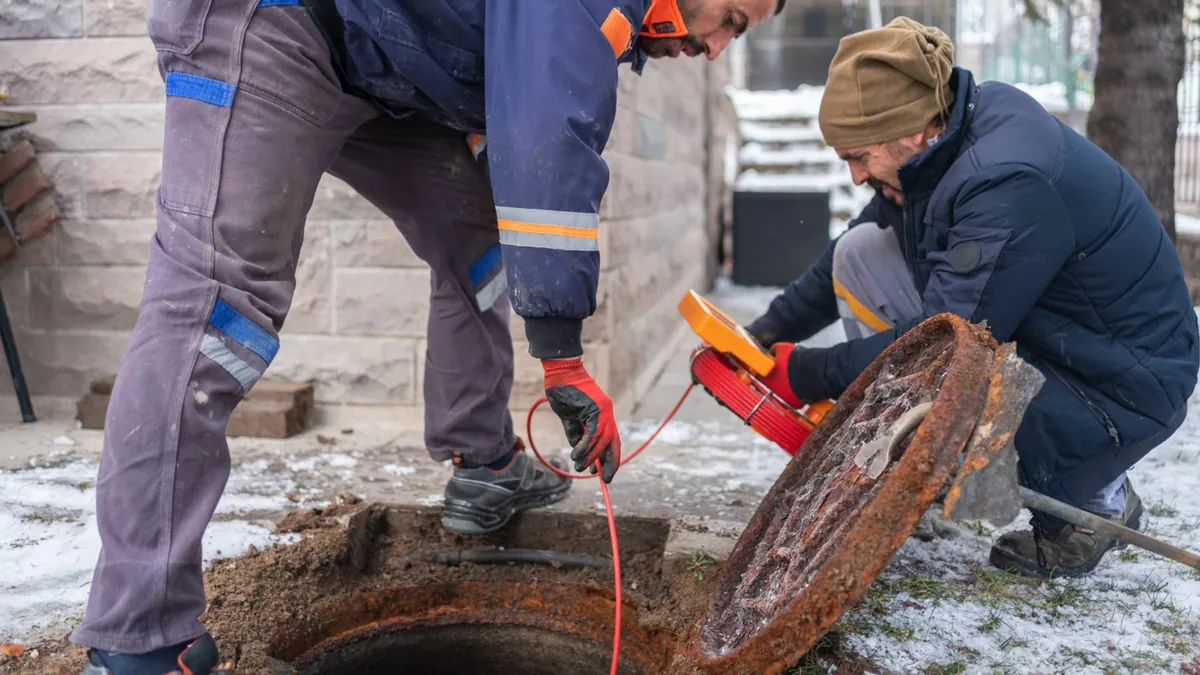
Sewer cleaning and rooter service for roots and buildup
The sewer cleaning process follows a set order: clear, scope, then report. A rooter machine sends a cutting head down the line, chewing through roots and scraping the pipe wall. It is the standard way to clear a mainline clog. Hydro jetting follows when grease or scale coats the pipe. Cleaning restores flow, and the camera afterward tells you whether it will last.
If the same line has backed up more than once, treat the cleaning as a diagnosis and not a fix. Roots return unless the opening they entered is repaired. The drain cleaning page covers the tools in more detail.
Camera inspection and scope: what you get for the visit
A sewer scope is a camera on a flexible cable that travels the length of the line and records what it sees. It is the best way to know the pipe material, the condition of the joints and the exact location of a defect. The plumber measures the distance from the cleanout so a repair, if needed, starts in the right spot.
Scopes are also useful when buying or selling a house, since a line problem is expensive to find after closing. Ask for the recording and a note of where along the line any defects sit.
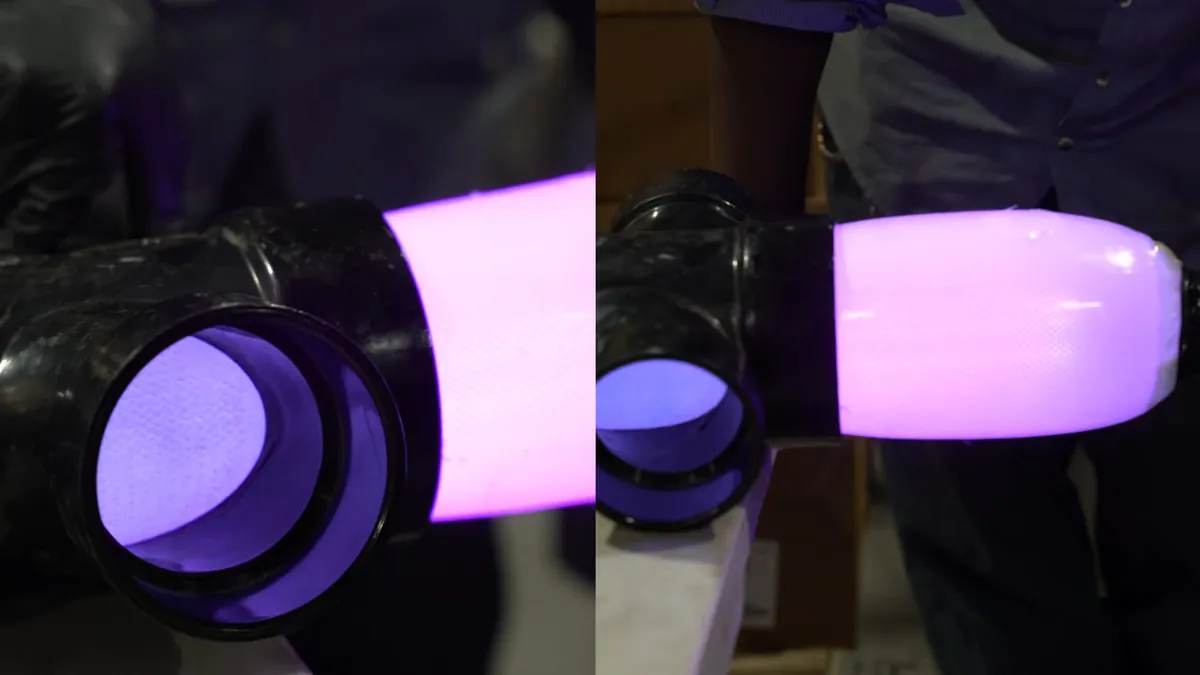
Trenchless, lining or pipe bursting versus excavation
Trenchless methods fix a sewer line with minimal digging. Lining pulls a resin-coated sleeve through the old pipe and cures it into a new pipe inside the old one. Pipe bursting pulls a new pipe through the path of the old one, breaking the old pipe outward as it goes. Both need only an entry and exit hole, which is the main difference from open trench repair. Before pipe relining repair work starts, the plumber cleans the line so the liner can bond.
| Method | Best for | Limits |
|---|---|---|
| Lining | A cracked or leaking pipe still in line | Does not fix a sag or a collapse |
| Pipe bursting | A failing pipe along a straight run | Needs entry and exit pits; not for every layout |
| Excavation | Collapsed pipe, bellies, short shallow repairs | Digs up the yard, landscaping or driveway |
Which method applies depends on the footage, the pipe material and what sits above the line. Ask the plumber why the chosen method suits your line, and what each option would disturb.
Sewer replacement: when a new line beats another repair
Replace the line when the camera shows repeated damage along its length, when the pipe is a material known for collapse, or when a short repair would leave weak pipe on either side. Replacement is a larger job than a repair, and it may need a permit and utility locates.
- The camera shows cracks, offsets or roots in more than one place.
- The pipe is Orangeburg or heavily scaled cast iron.
- A previous repair has failed or a new blockage appears within months.
- A belly holds standing water in the line.
Check the license before a large job
Big repairs fall under the state contractor licensing rule, which kicks in once labor and materials pass $1,000, or wherever a permit applies. License status is listed online.
Source: Arizona Registrar of Contractors
Backup in the lowest drain? Call before it spreads
Give the dispatcher the list of affected drains and your address, and a plumber comes equipped to clear and scope the line.
- Licensed and insured plumbers
- Same-day service when available
- 24/7 emergency dispatch
Sewer questions from Gold Canyon homeowners
Who do I call when sewage backs up into my house?
Call a plumber first, and do it right away. Stop running water in the house, since every flush or load of laundry adds to the backup. Keep people and pets out of the affected room and do not try to open the cleanout yourself. Whether the blockage is in your line or in a shared main outside the property is something the plumber confirms, and if the problem is outside your lateral, your sewer provider is the next call.
Why does my yard or house smell like sewage?
A sewer smell comes from one of four places: a dry trap in a drain that is not used, a cracked or loose pipe, a blocked vent, or a break in the line outside. Run water in unused drains and floor drains for a minute and see if the smell fades. If the smell is strongest near the yard, near a cleanout or along the line from the house, call and say where it is strongest. A gas smell is different: leave the house and call 911 or your gas utility.
Is my old pipe cast iron, clay or Orangeburg, and does it matter?
It matters because each material fails in its own way. Cast iron rusts and scales from the inside. Clay cracks and takes in roots at the joints. Orangeburg, a fiber pipe, softens and collapses over time. The comparison for you is practical: cast iron and clay can often be cleaned and relined or repaired in sections, while Orangeburg usually needs replacement. A camera inspection tells you which pipe you have and its condition.
Can I get an emergency sewer repair the same day?
Backups are treated as urgent, and the line is staffed around the clock. Say that sewage is rising, and the dispatcher flags it. What can be done that day depends on the blockage and the hour; a clog is cleared with a machine, while a break may need a temporary fix before a full repair.
How does trenchless sewer line repair compare with excavation?
Trenchless methods repair or replace the pipe through small access holes, which leaves more of the yard, driveway and landscaping alone. Excavation digs a trench along the pipe and replaces it in the open. Trenchless fits a pipe that is still in line and mostly intact; excavation fits a collapsed section, a belly in the pipe or a short repair at a shallow depth. A camera inspection decides which one applies, and Arizona 811 should be called before any digging.
What does sewer drain cleaning involve, and what should I expect?
Expect four steps. The plumber locates the cleanout or an access point. A machine with a cutting head or a jet clears the blockage. A camera runs through the line to confirm it is open and to look for the cause. The plumber then explains what was found, and whether the line needs repair to stop the blockage returning.
When the water at fault is not wastewater
If only one drain is slow and others flow, the blockage may be local; start with clearing a single clogged drain. If water is coming from a supply pipe and not a drain, water line repair is the page to read. Flooring that got wet during a backup falls under water damage restoration after a backup, and the emergency plumbing line stays open all night.
Do not run more water into a blocked line
Call the 24/7 line. A plumber serving your area clears the blockage, runs a camera and explains the repair options.
- Licensed and insured plumbers
- Same-day service when available
- 24/7 emergency dispatch